26
Aug
Aug
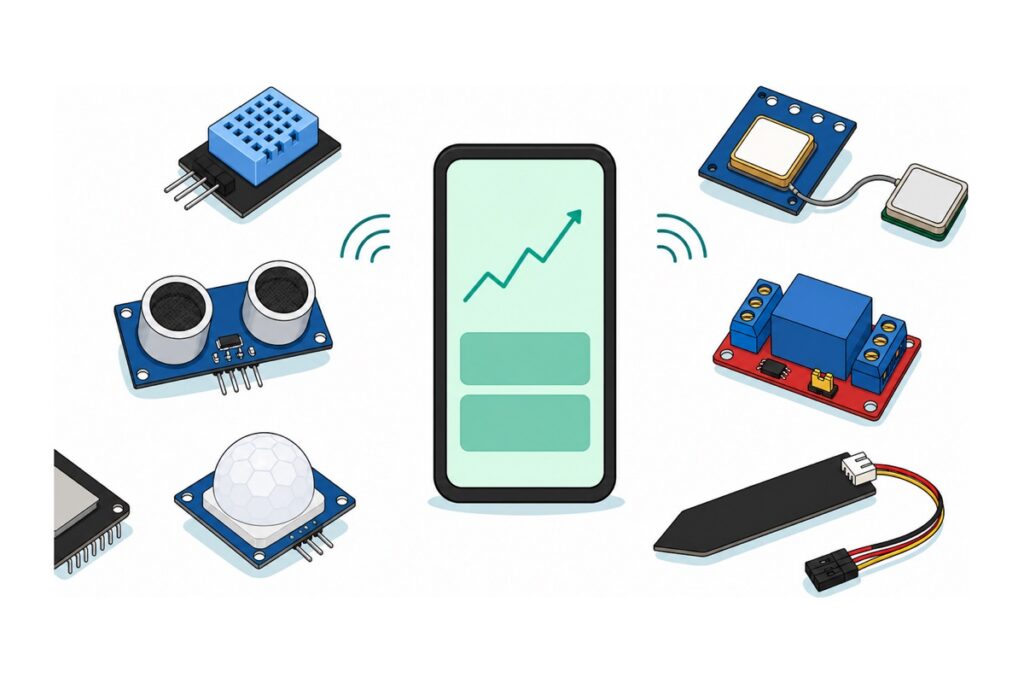
Ten IoT project ideas a final year student can genuinely finish alone in one semester, built on one shared ESP32 and Blynk skeleton.


Ten IoT project ideas a final year student can genuinely finish alone in one semester, built on one shared ESP32 and Blynk skeleton.
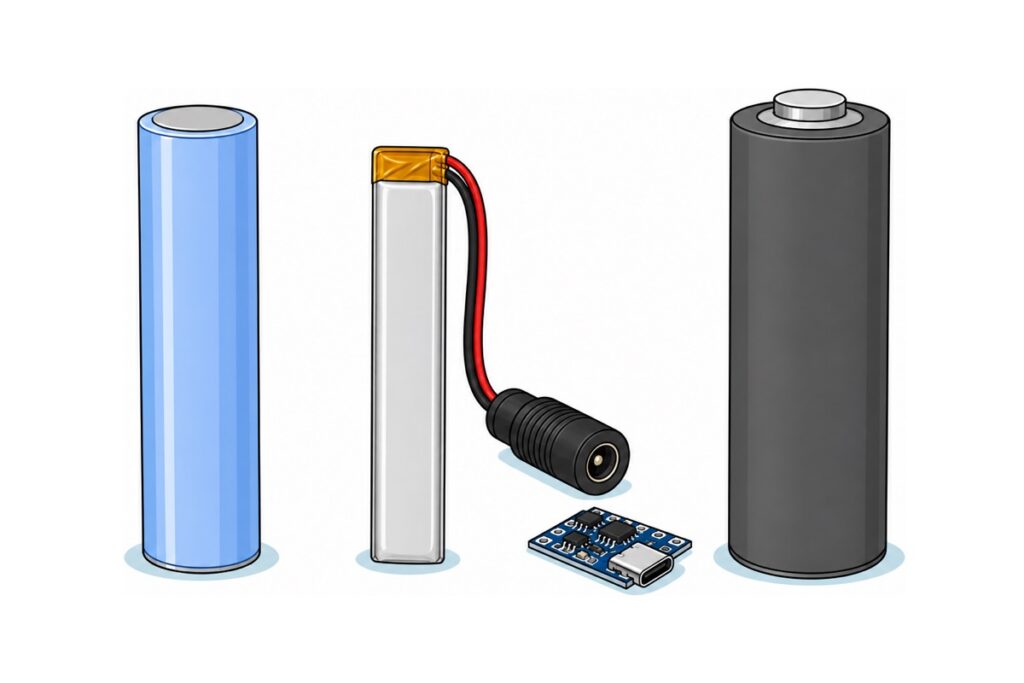
Li-ion 18650, LiPo pouch and LiFePO4 compared: real voltages, real sizes, the actual hazards, and which one belongs in your Arduino or ESP32 project.
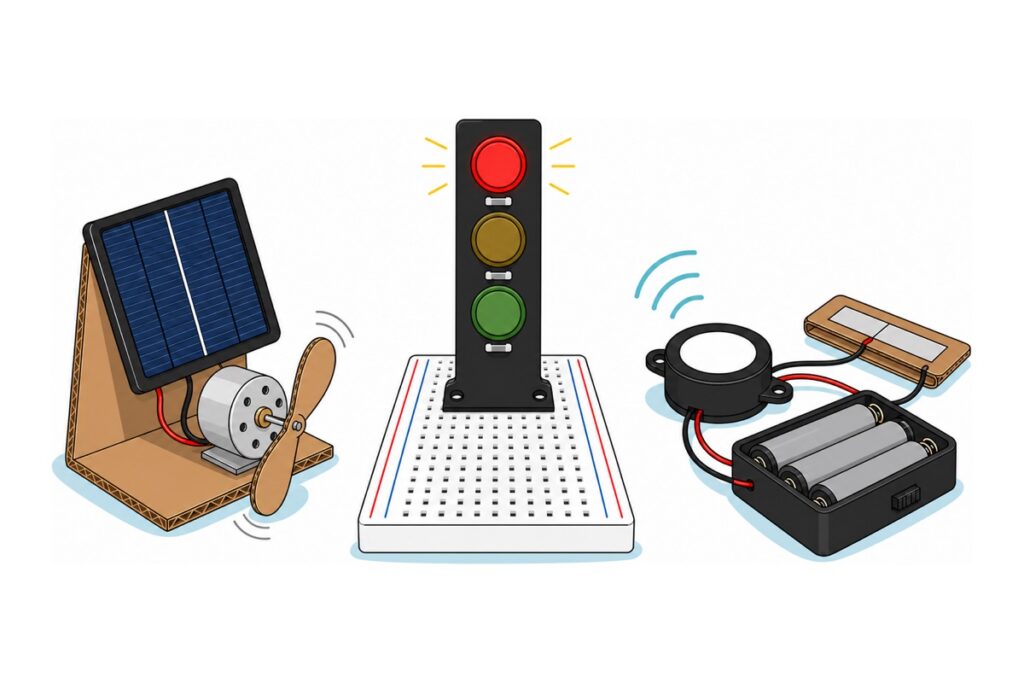
Three science fair projects a Year 4 to Year 6 pupil can finish without coding or soldering: a mini solar fan, a mini traffic light and a cardboard-and-foil door alarm. All run on 4.5 V or less, with a full parts list, a wiring table, an adult-jobs table, and a script for explaining each one to the judges.
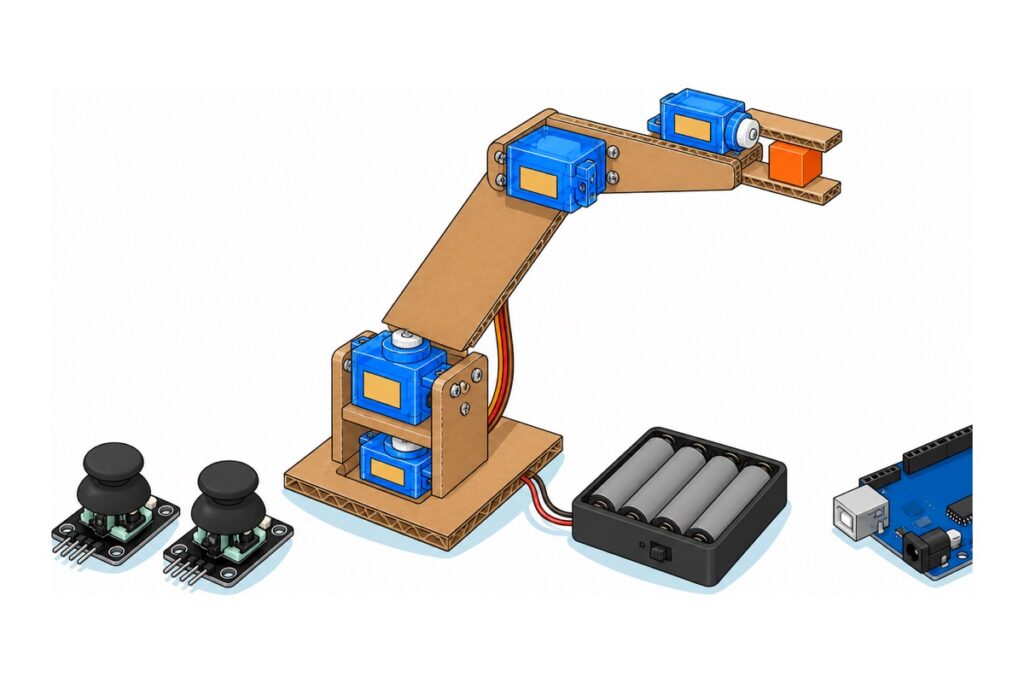
An Arduino Uno’s 5V pin holds up about one SG90, not four. Here is the current budget with the numbers derived, how to run four servos off a 4xAA pack with a common ground, and the incremental joystick sketch that makes the arm hold its pose when you let the stick go.
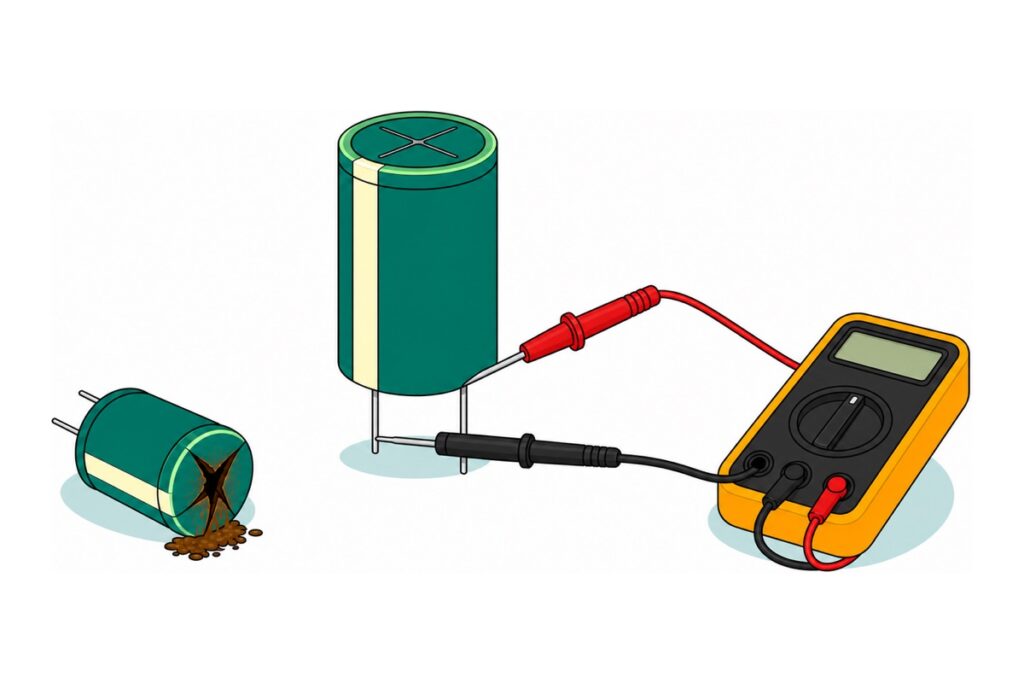
Your multimeter has no farad range, and it can still tell you whether a capacitor is good, open, shorted or leaky. The charge-and-discharge check, the safe way to drain one first, and the bulge and leak signs that need no test at all.
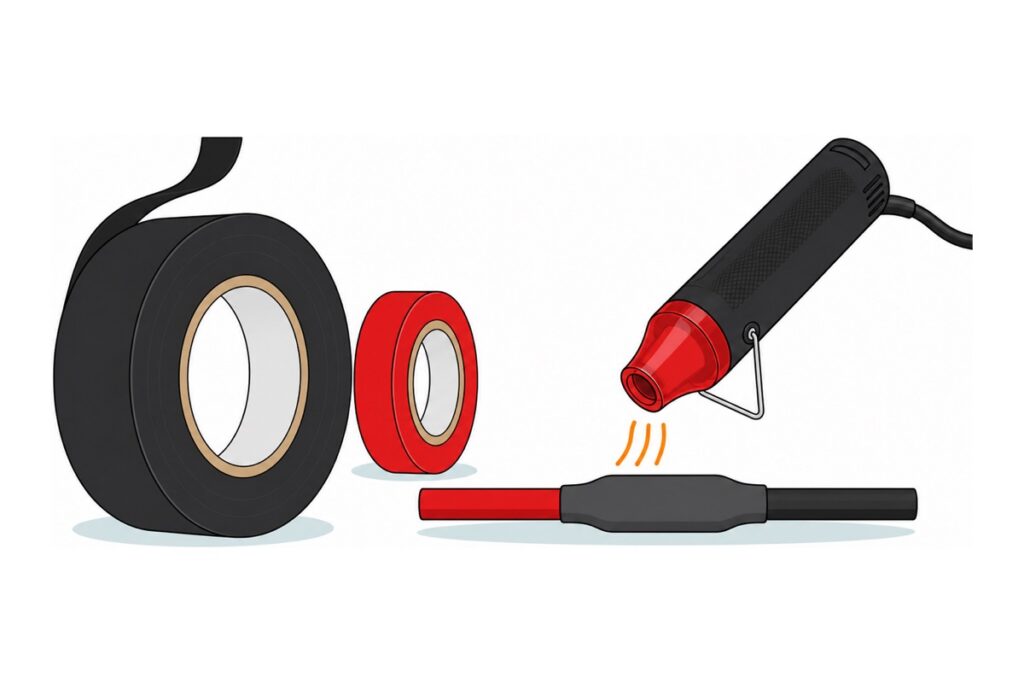
PVC electrical insulation tape, heat shrink tubing and solder sleeves fail in completely different ways. What each one survives, why tape unwinds in a hot enclosure, and the two-diameter arithmetic for sizing shrink tubing.
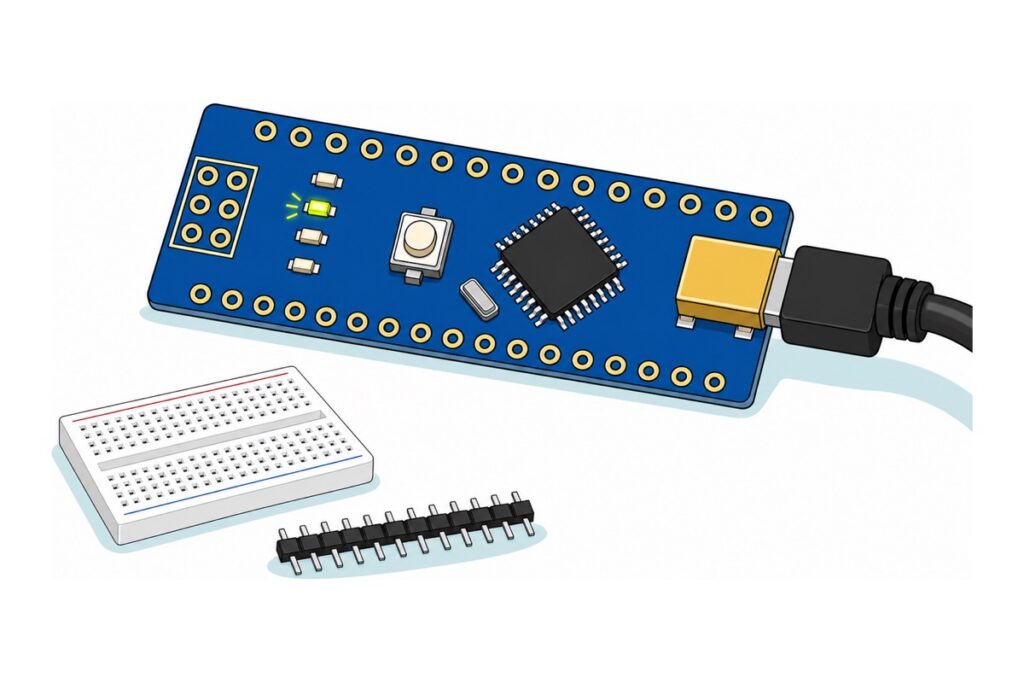
Three steps get an Arduino Nano V3 blinking: install the CH340 driver, choose Arduino Nano under Tools > Board, and set Tools > Processor to ATmega328P (Old Bootloader) — the menu that decides whether your first upload works. No soldering required, plus what cable the Mini-USB socket needs and when the Nano beats an Uno.
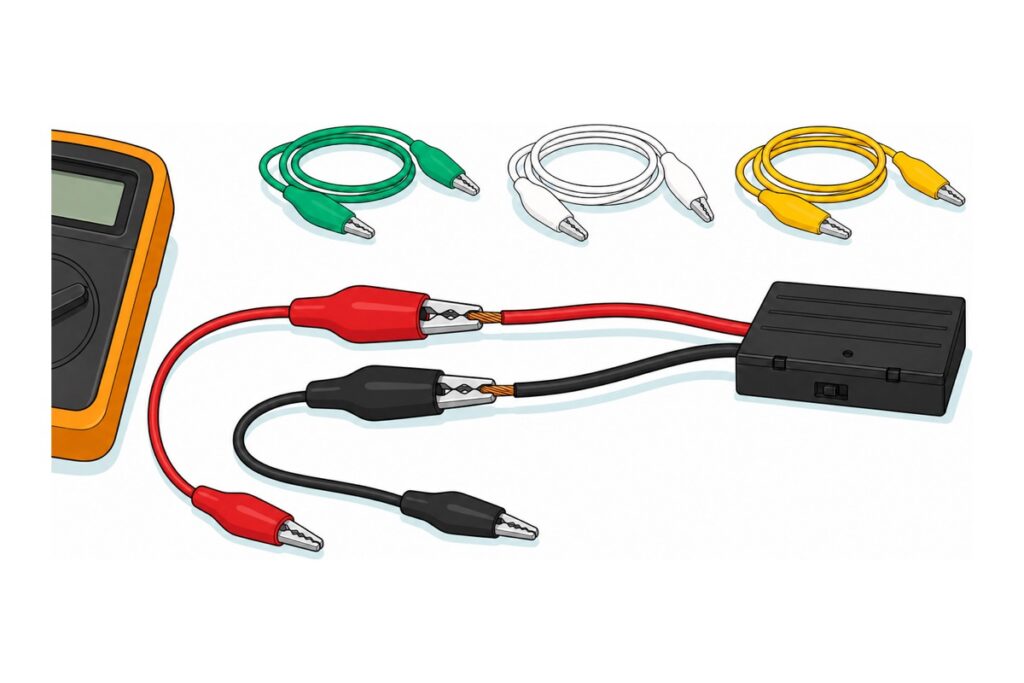
When a crocodile clip lead beats a dupont jumper — bare battery fly leads, stripped sensor wires, probe shafts — how the spring jaw actually grips, why it can never enter a breadboard tie point, and the hands-free discipline for taking a live low-voltage reading.
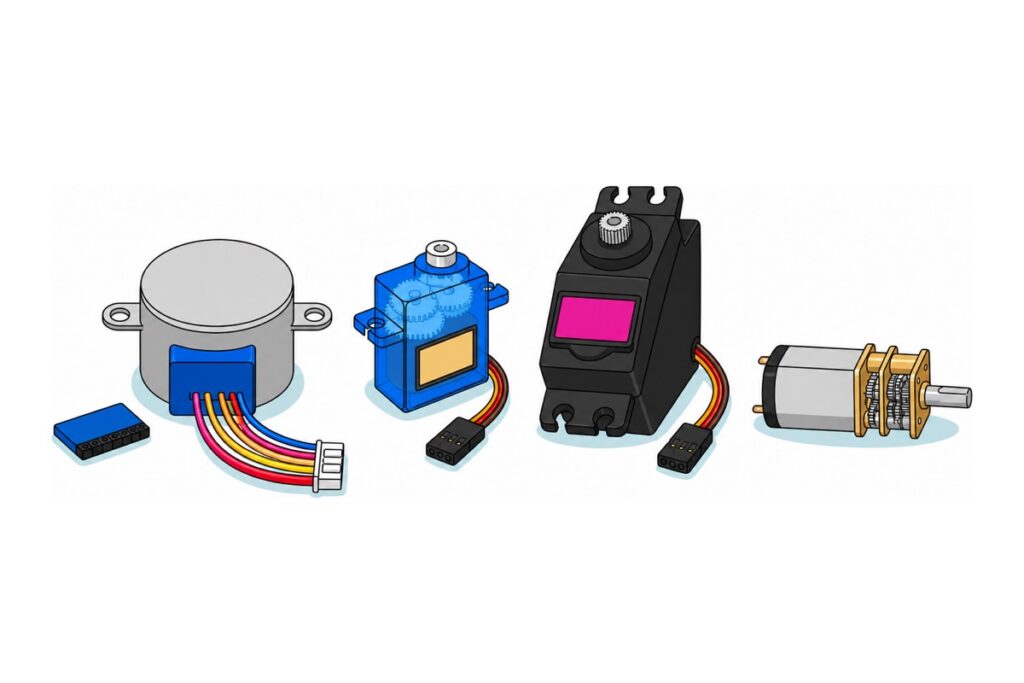
Servo, stepper or plain DC gear motor? The decision comes down to what each one does when you push against its shaft — and to the pin-and-amp arithmetic that decides how many an Arduino Uno can really drive.
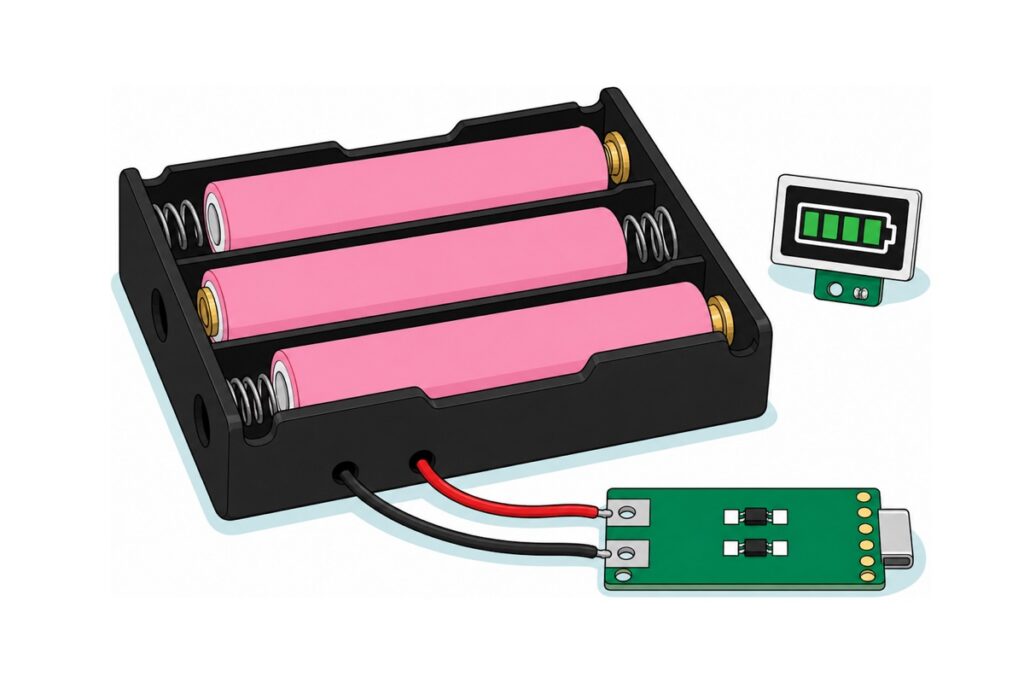
Multi-slot 18650 holders wire their slots in series, so three cells make an 11.1 V pack (12.6 V full) at one cell’s capacity — and a TP4056 can never charge it. A complete 3S build with a USB-C charging board and a four-bar capacity indicator, with the arithmetic behind every number.
Log in to your MakerHub account