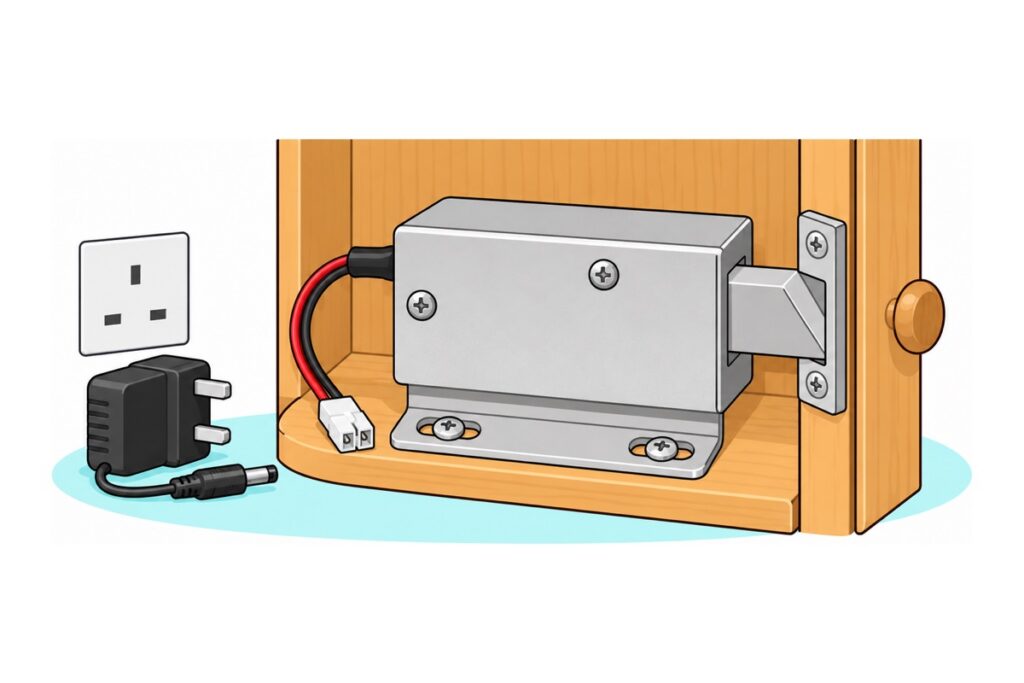
A 12V solenoid lock is fail-secure: it stays locked with no power and opens only while 12V flows through its coil. This guide explains why it can’t run from an Arduino pin or a powerbank, how to switch it with a relay or an IRF520 MOSFET from its own supply, why the flyback diode is required, and how to mount it so the bolt doesn’t jam.
Author Archives: MakerHub Helper
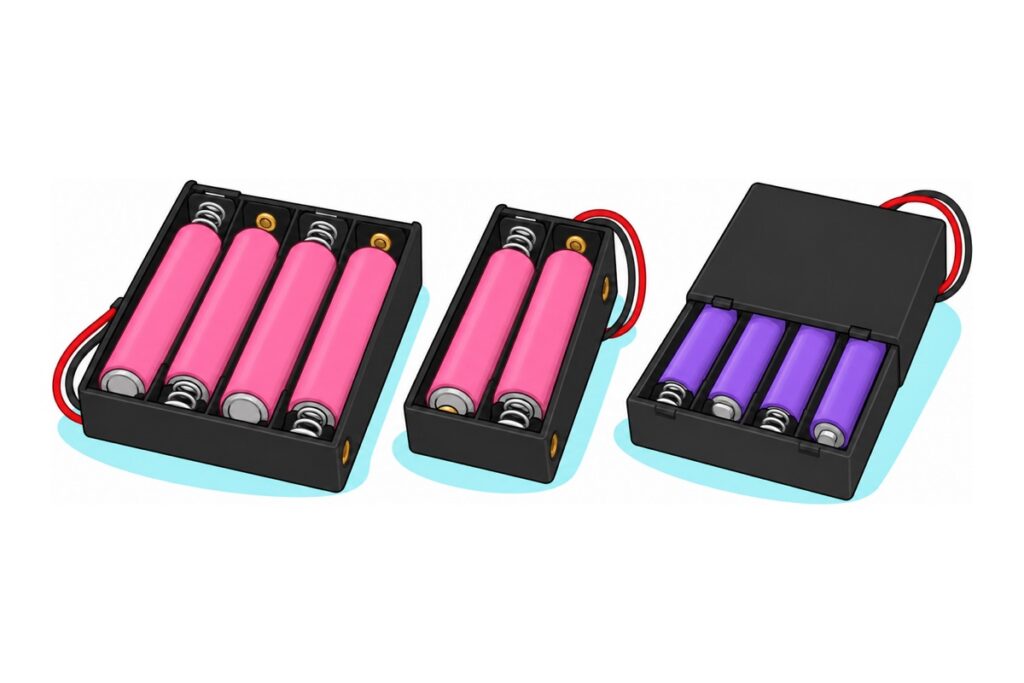
Pick a battery holder by the voltage it makes, not by how many cells it takes. The slots are wired in series: four NiMH AAs make 4.8 V for servos and two 18650s make 7.4 V for an Uno’s barrel jack. This guide also covers why a holder with one unseated cell looks like a dead battery, and when the covered AA case with a switch is worth buying.
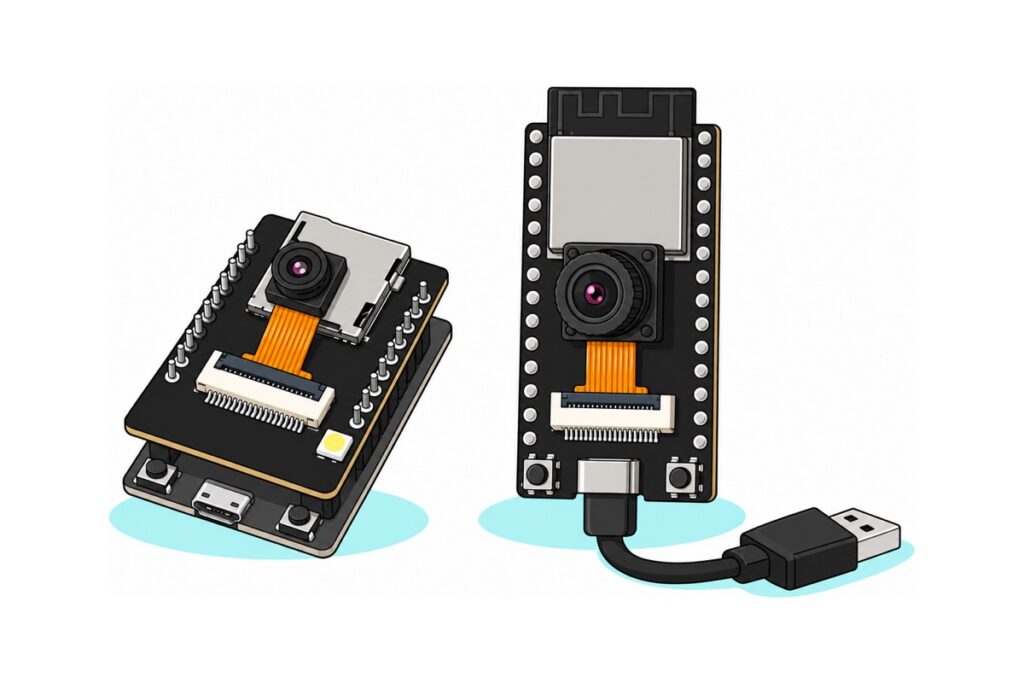
For a first camera project, buy the ESP32-S3 WROOM CAM. It uploads over one USB-C cable, and its larger, faster memory handles higher frame rates and on-board processing. The classic AI-Thinker ESP32-CAM with an OV2640 suits a lower-cost build, as long as it comes with a programmer shield.
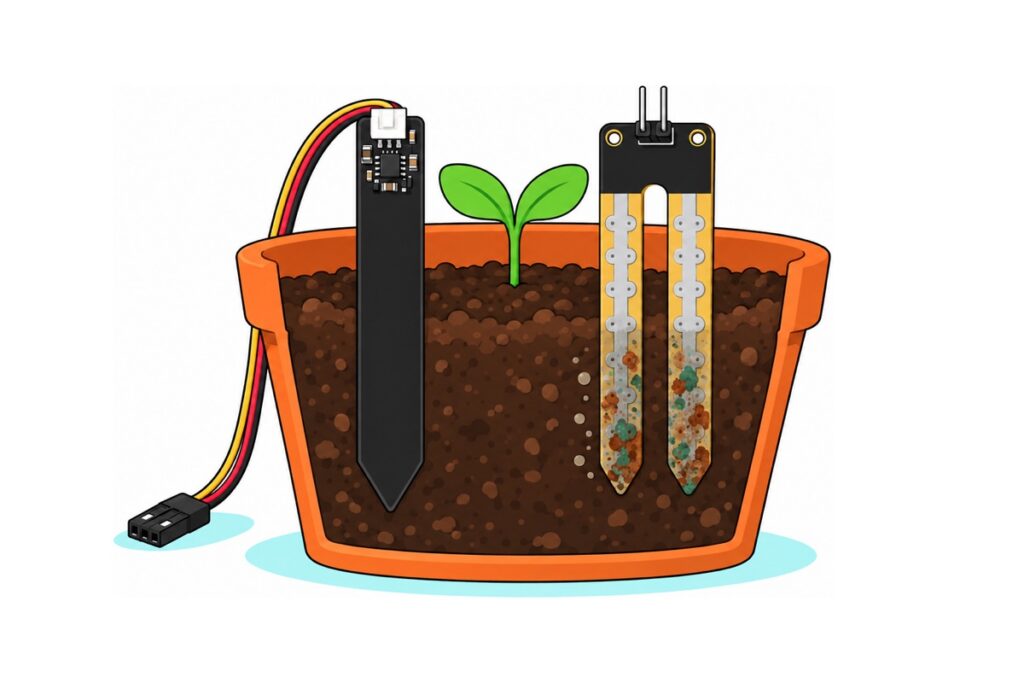
The two-prong resistive fork passes DC through the soil, corrodes, and ends up reporting dry soil in wet ground. The capacitive v1.2 senses through a coating and lasts. This guide covers how each one works, wiring on an Uno or ESP32, two-point calibration, and the one job a resistive fork still does well.
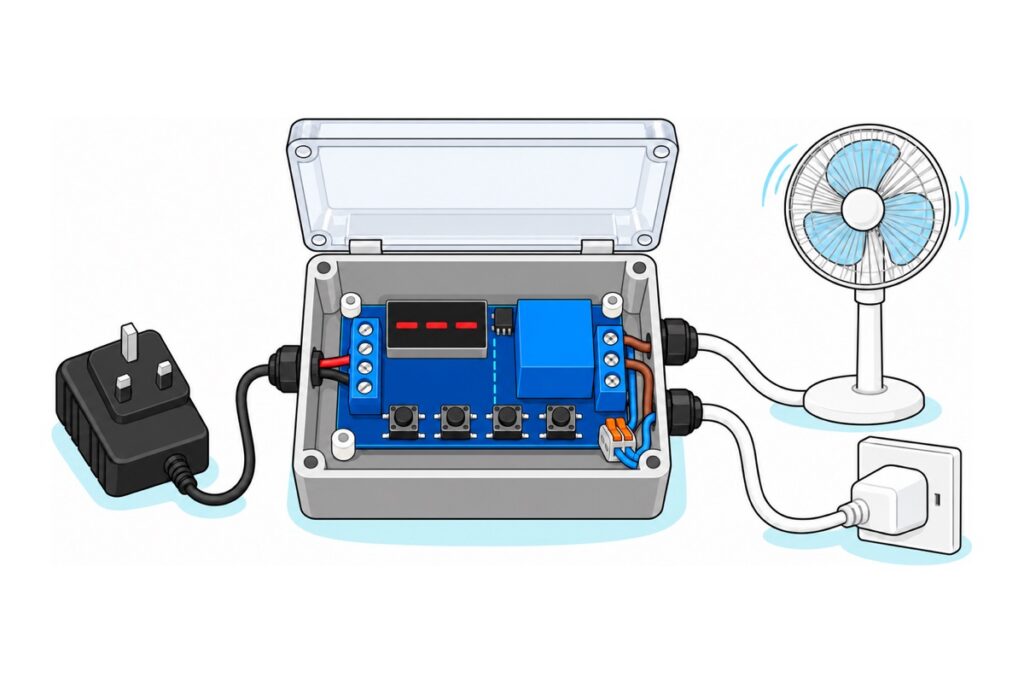
A 220V timer relay module switches a mains appliance only through its relay contacts. The board runs on low-voltage DC and the trigger stays a low-voltage signal. This guide shows how to wire the live through COM and NO, how to tell a DC-supplied board from a mains-powered one, how to check the wiring with the plug pulled, and when a plug-in timer is the better choice.
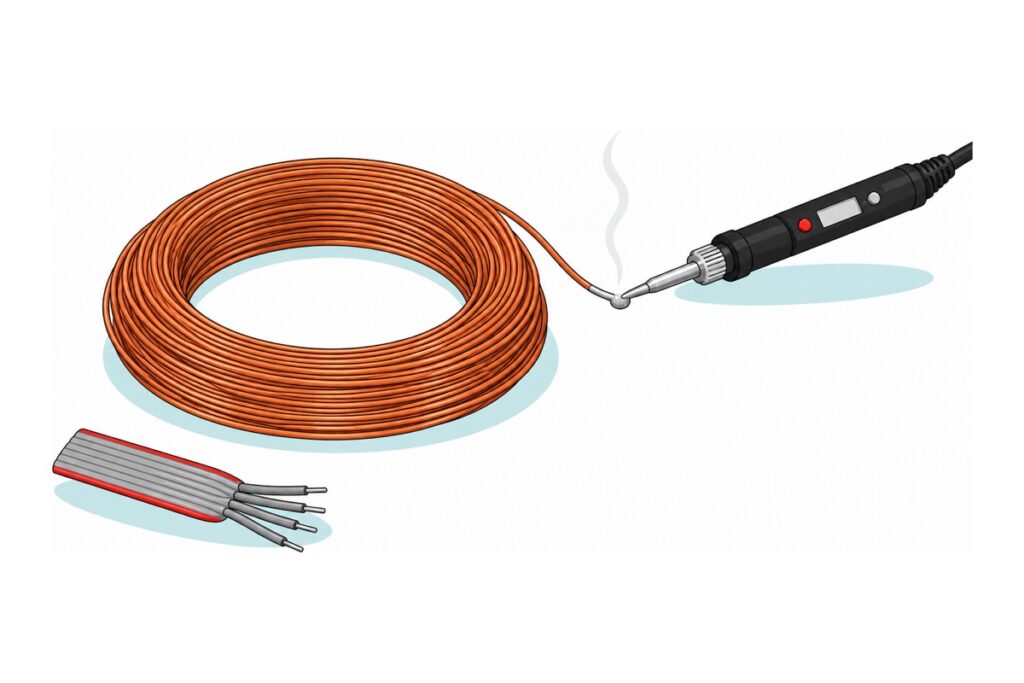
Solder won’t stick to enamelled (magnet) wire until the coating is scraped or burned off, ribbon cable needs short 1–2 second touches, and stranded wire gets only a thin tin at the tip. Plus the honest list of metals a 60–80 W pencil iron will never solder.
A 3–5V mini submersible pump gives 70–110 L/hr at zero lift and draws 100–220 mA — far past an Arduino pin. What the numbers really mean once you ask it to lift water, why it must stay submerged, and which of the three switching lanes (relay, IRF520 MOSFET, DRV8833) your build actually wants.
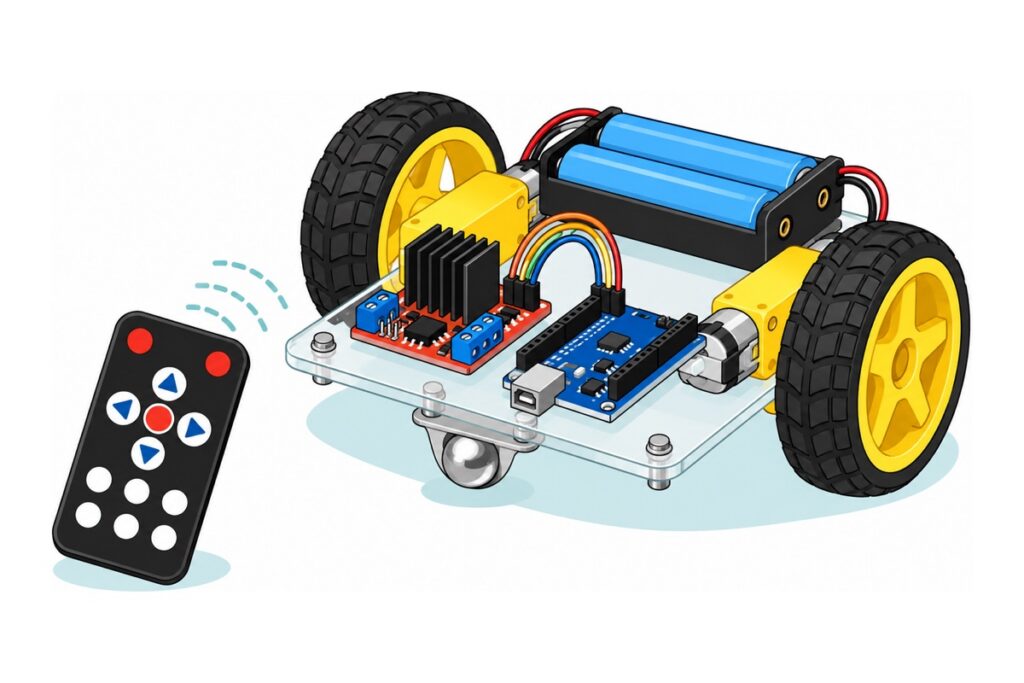
An RBT remote control car is marked in three parts: mechanical system, control system and documentation. Here are the three honest control routes – IR remote, phone over Bluetooth, or a pair of nRF24L01 radios – how they differ in range, cost and difficulty, the mechanical details that earn marks, and what your block diagram has to show.
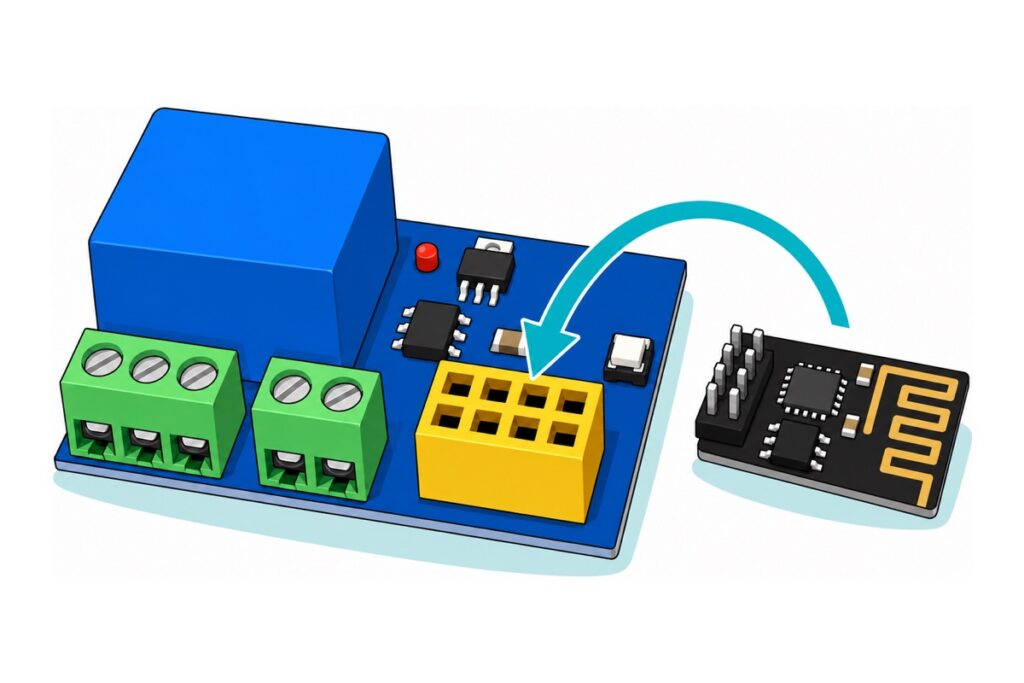
The ESP-01S relay board is a carrier: it ships without the module and switches nothing until that module is flashed. What is on the board, how flash mode works, how to wire 5 V and a load, and where an ESP32 takes over.
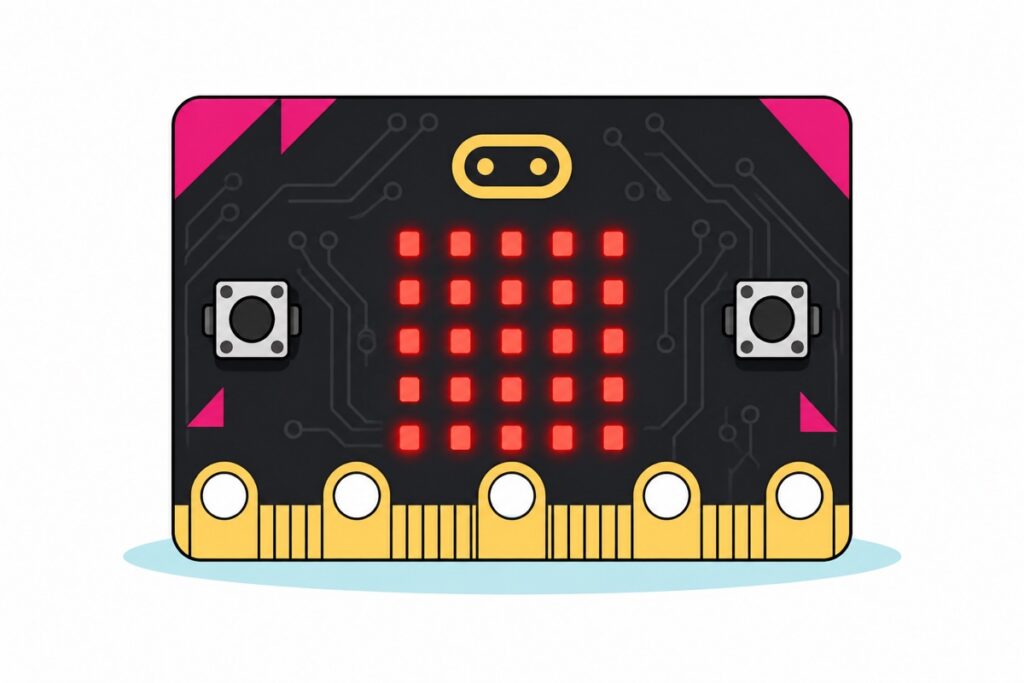
A micro:bit V2 is already complete enough for a full RBT project: 25 LEDs, two buttons, mic, speaker, light, temperature and motion sensors, all built in. No soldering, no wiring, programmed from a browser with MakeCode blocks.