24
Aug
Aug
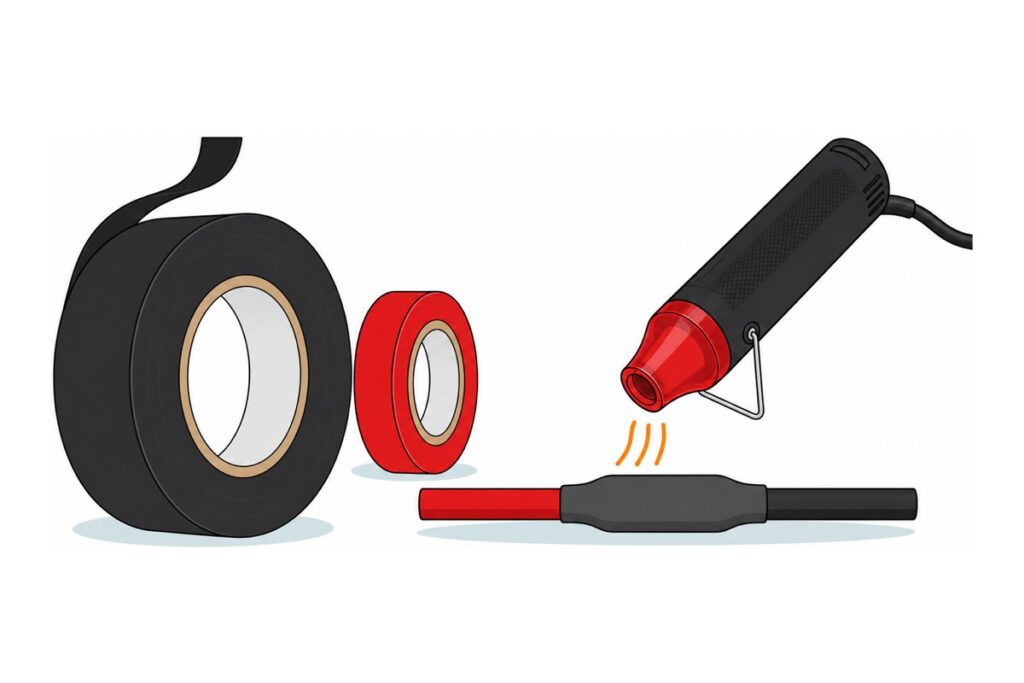
PVC electrical insulation tape, heat shrink tubing and solder sleeves fail in completely different ways. What each one survives, why tape unwinds in a hot enclosure, and the two-diameter arithmetic for sizing shrink tubing.


PVC electrical insulation tape, heat shrink tubing and solder sleeves fail in completely different ways. What each one survives, why tape unwinds in a hot enclosure, and the two-diameter arithmetic for sizing shrink tubing.
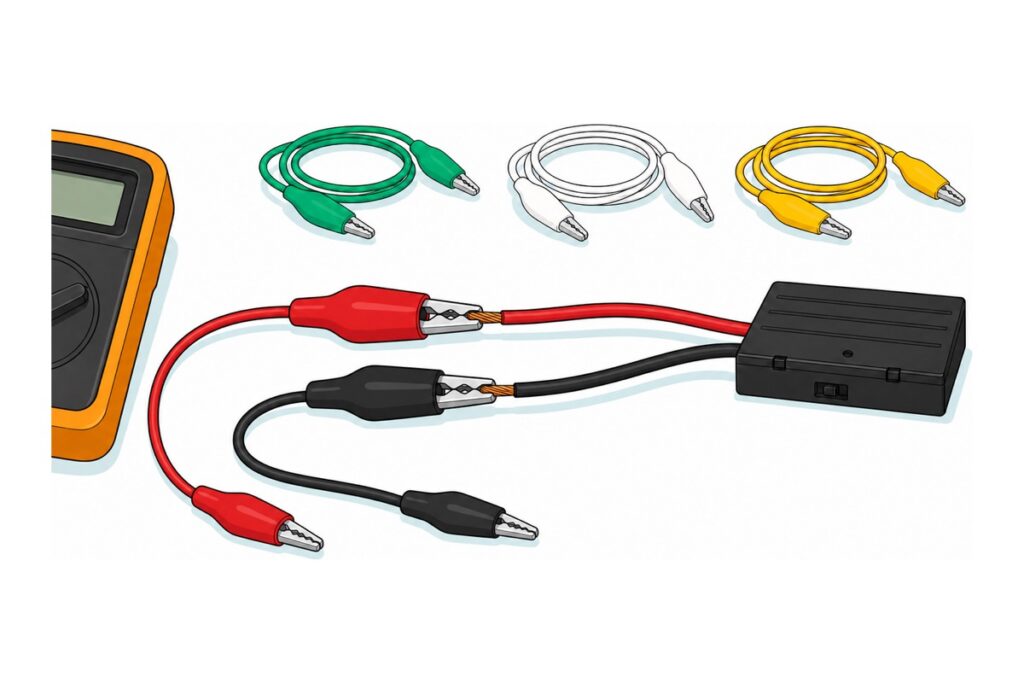
When a crocodile clip lead beats a dupont jumper — bare battery fly leads, stripped sensor wires, probe shafts — how the spring jaw actually grips, why it can never enter a breadboard tie point, and the hands-free discipline for taking a live low-voltage reading.
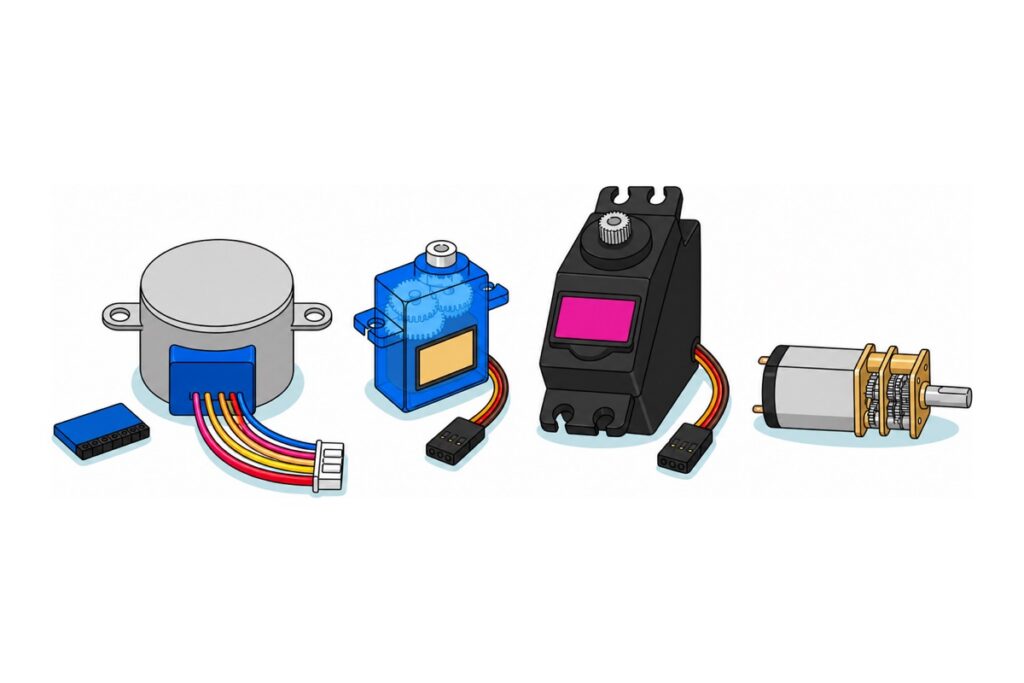
Servo, stepper or plain DC gear motor? The decision comes down to what each one does when you push against its shaft — and to the pin-and-amp arithmetic that decides how many an Arduino Uno can really drive.
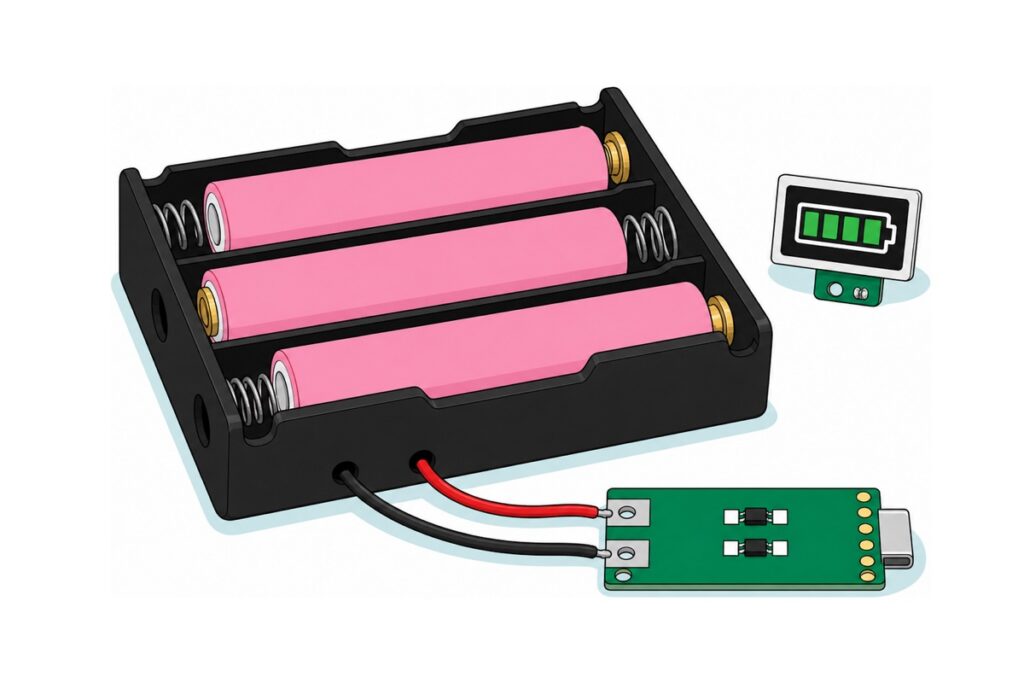
Multi-slot 18650 holders wire their slots in series, so three cells make an 11.1 V pack (12.6 V full) at one cell’s capacity — and a TP4056 can never charge it. A complete 3S build with a USB-C charging board and a four-bar capacity indicator, with the arithmetic behind every number.
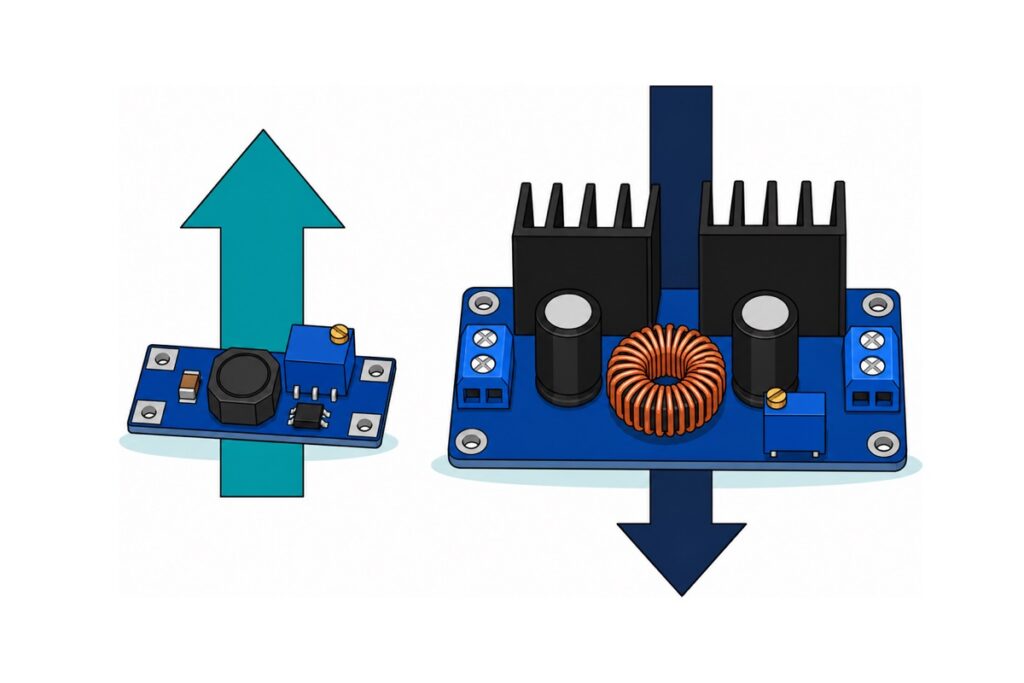
Compare your source voltage with the voltage your load needs: source higher means a buck (LM2596, XL4016), source lower means a boost (MT3608, XL6009). Includes the power-balance arithmetic behind every converter’s current rating, and why a linear regulator or a resistor divider is not a substitute.
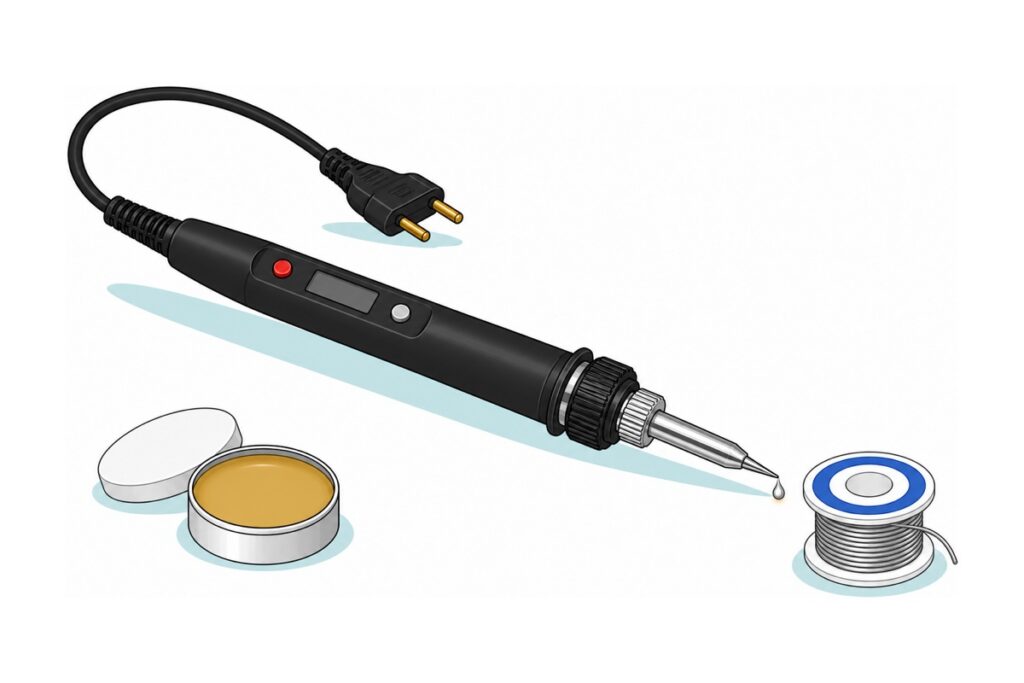
Which soldering iron to buy first, what flux actually does to the metal, and the five reasons a joint refuses to take — with the fix for each.
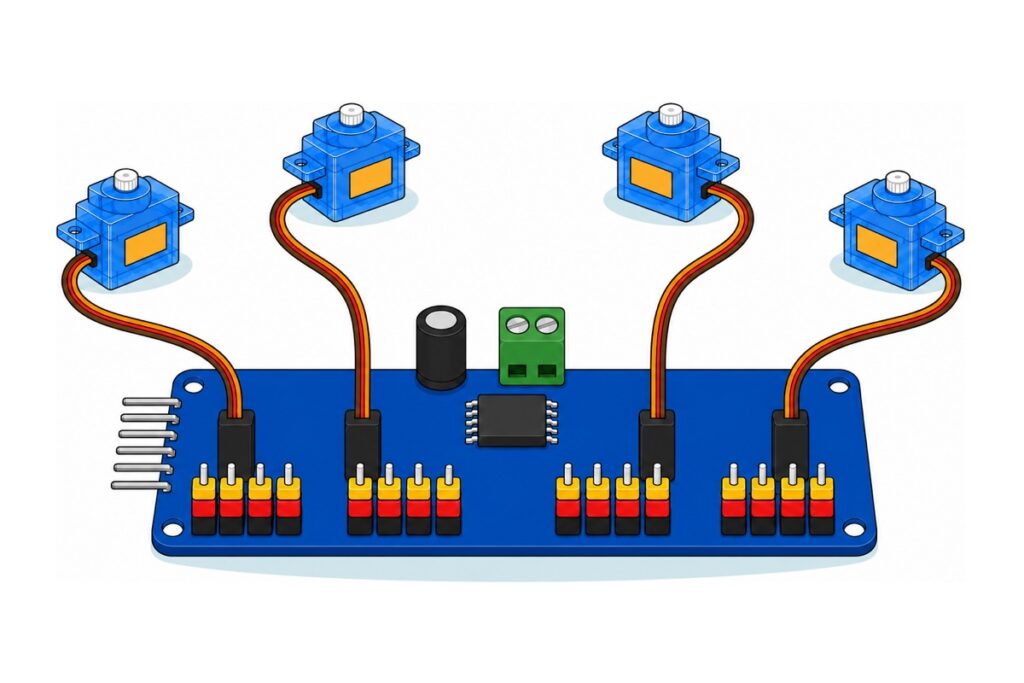
Servos brown out an Arduino because they pull amps from a rail rated in milliamps. The PCA9685 gives them their own power rail, two I2C wires, and 16 channels you calibrate per servo.
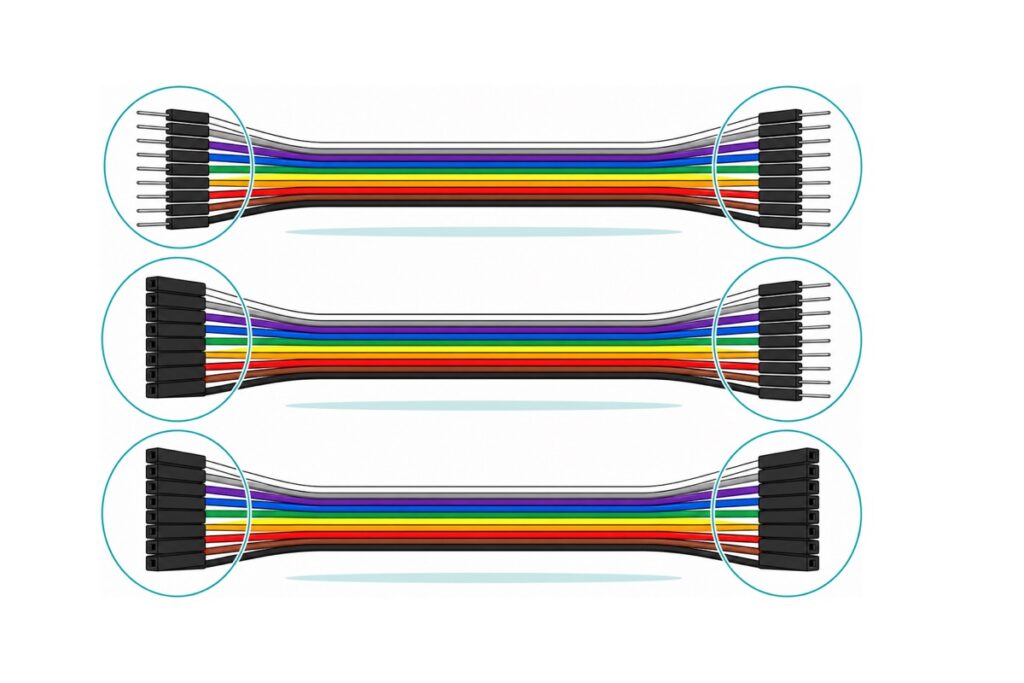
You never choose a jumper wire by preference — you read the two things you are joining and the gender falls out. The gender-chain rule, Dupont vs JST, and a job-to-SKU table.
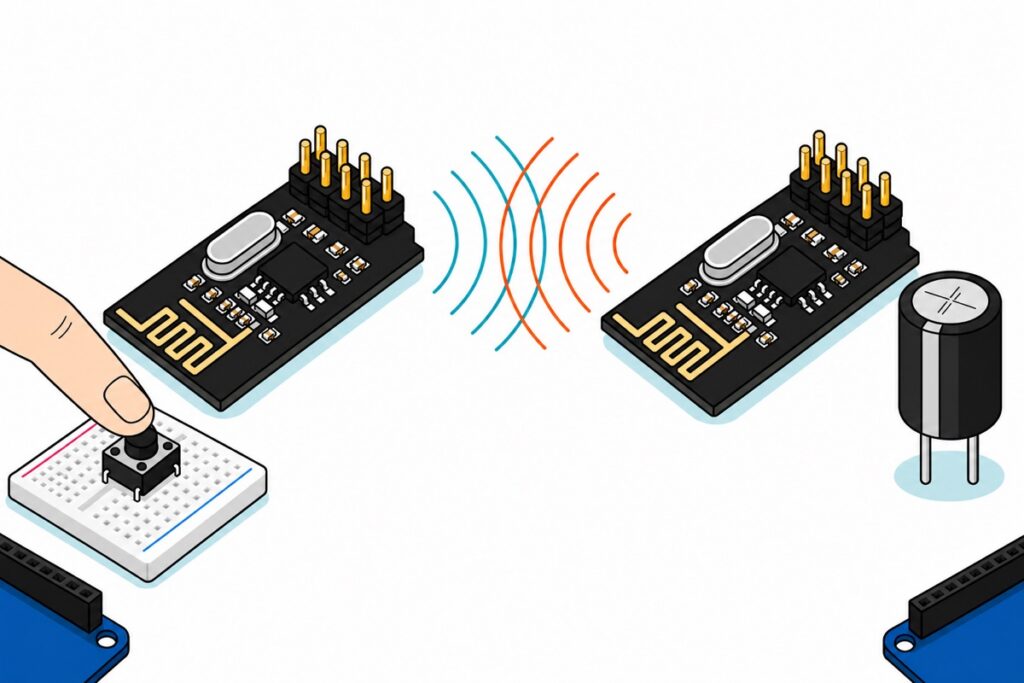
Two Arduinos, two nRF24L01 modules, one button and one capacitor. Working transmitter and receiver sketches, the full wiring table, and the arithmetic behind the 10–100 µF fix that turns a dead link into a reliable one.
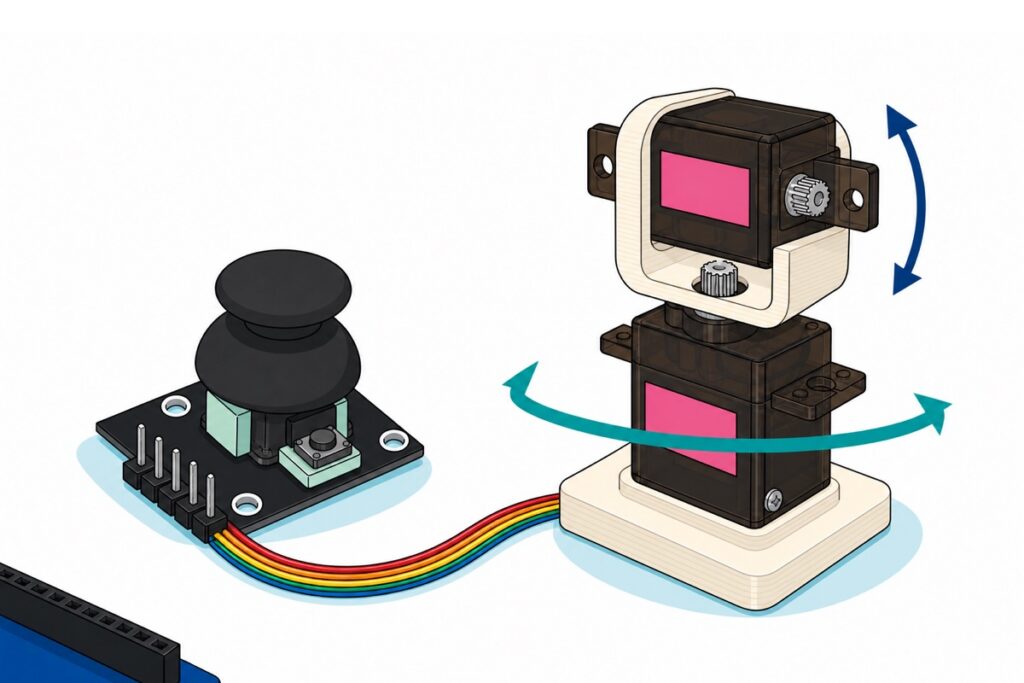
Two potentiometers and a button. How to read an analog joystick properly on an Arduino Uno, then drive two MG90S servos as a pan-tilt that stays where you point it.
Log in to your MakerHub account