15
Nov
Nov
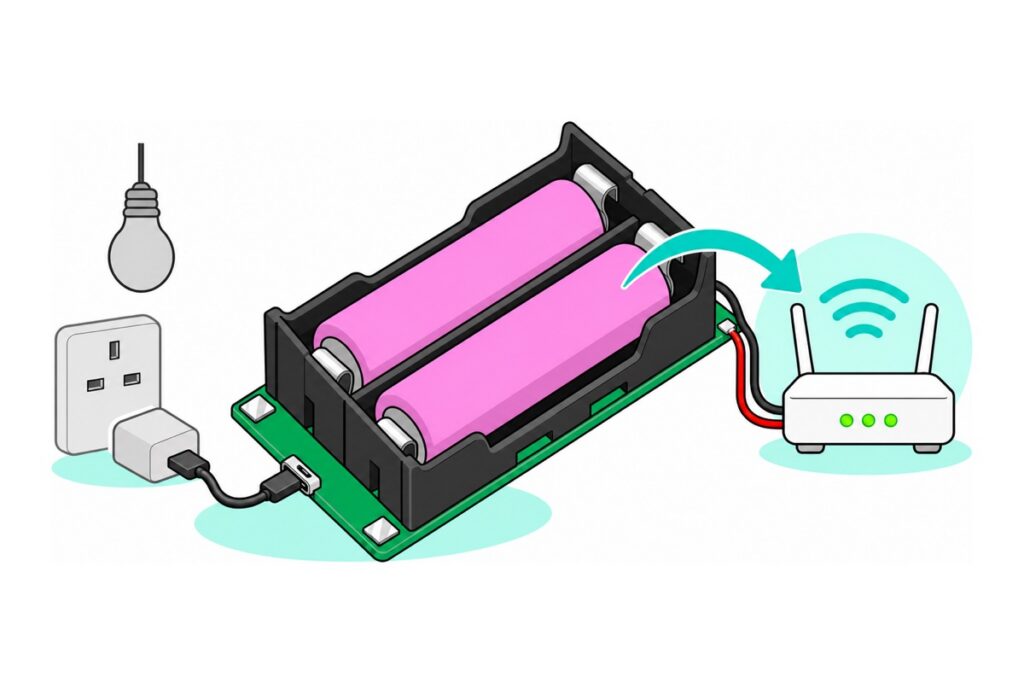
The 5V/9V UPS module sits between a 5V phone charger and your device, and two 18650 cells take over when the mains goes off. Here is how to pick the right board, solder the output, fit the cells safely and work out the backup time.


The 5V/9V UPS module sits between a 5V phone charger and your device, and two 18650 cells take over when the mains goes off. Here is how to pick the right board, solder the output, fit the cells safely and work out the backup time.
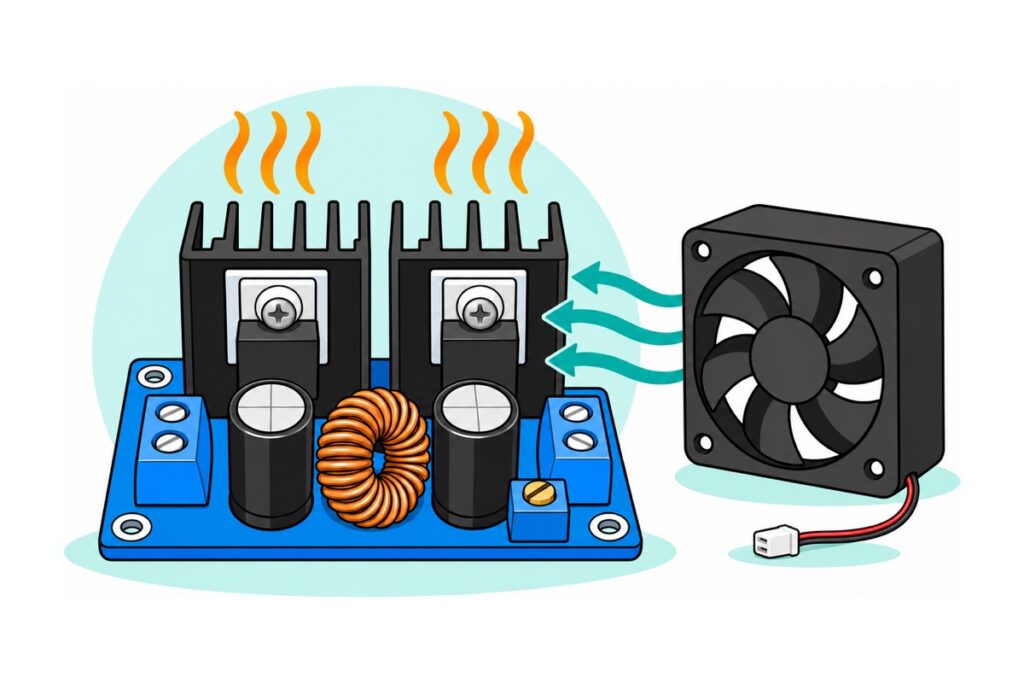
Set the XL4016’s output with a multimeter and no load first, give it 1.5–2V of input headroom, and plan on 4–5A continuous — the 8A/300W headline takes forced air and 1.0mm² wire. Here is the arithmetic.
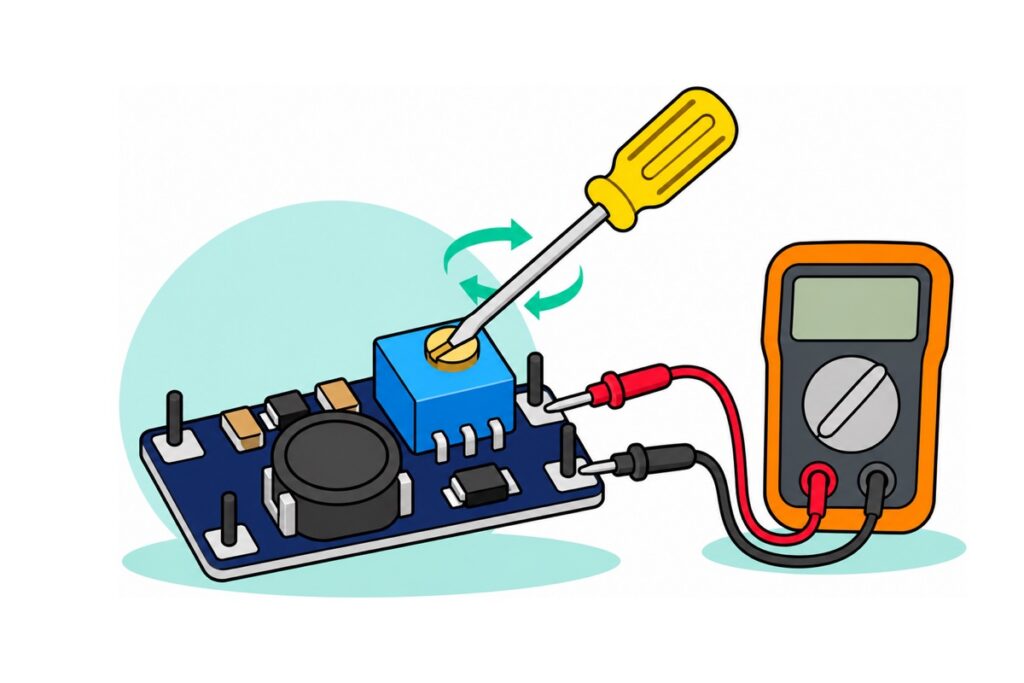
Set the MT3608’s output with the trimmer before any load connects: why the multi-turn pot seems dead at first, realistic current limits behind the 2A badge, and when the XL6009 is the better buy.

Take a SIM800L from loose headers to a delivered SMS: power it right from one 18650, wire the 10k/10k divider, learn the AT+CMGS dialogue and Ctrl+Z, then build a PIR motion alert that texts your phone without burning prepaid credit.
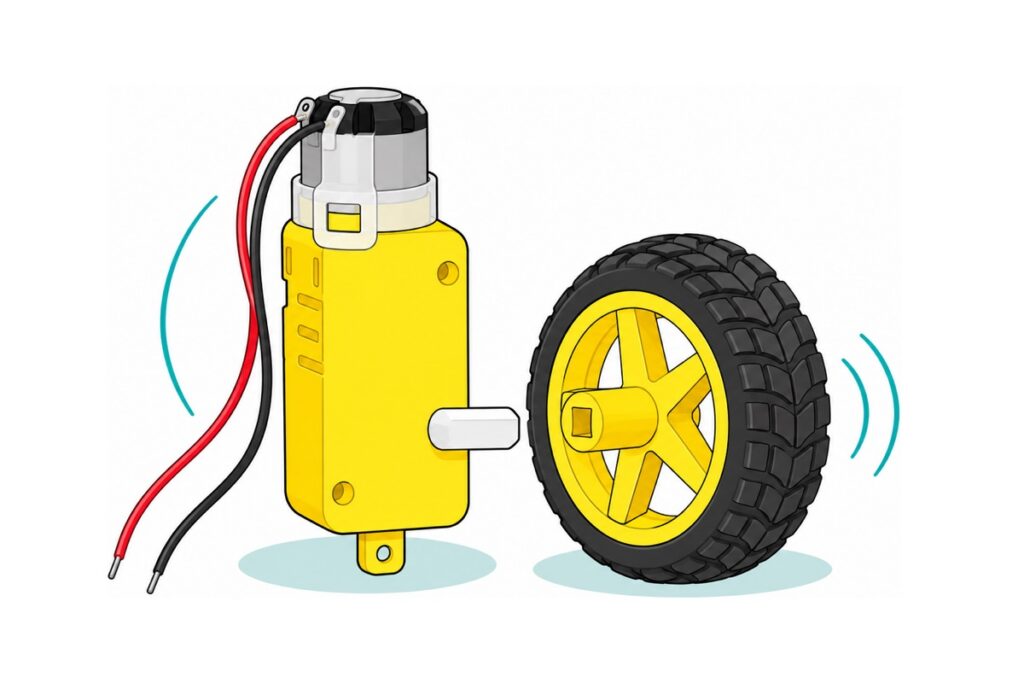
The yellow TT gear motor explained: what the 1:48 ratio and 200 RPM really mean, why it must run through a motor driver instead of an Arduino pin, and how to pair the 68mm wheels for a small robot car.
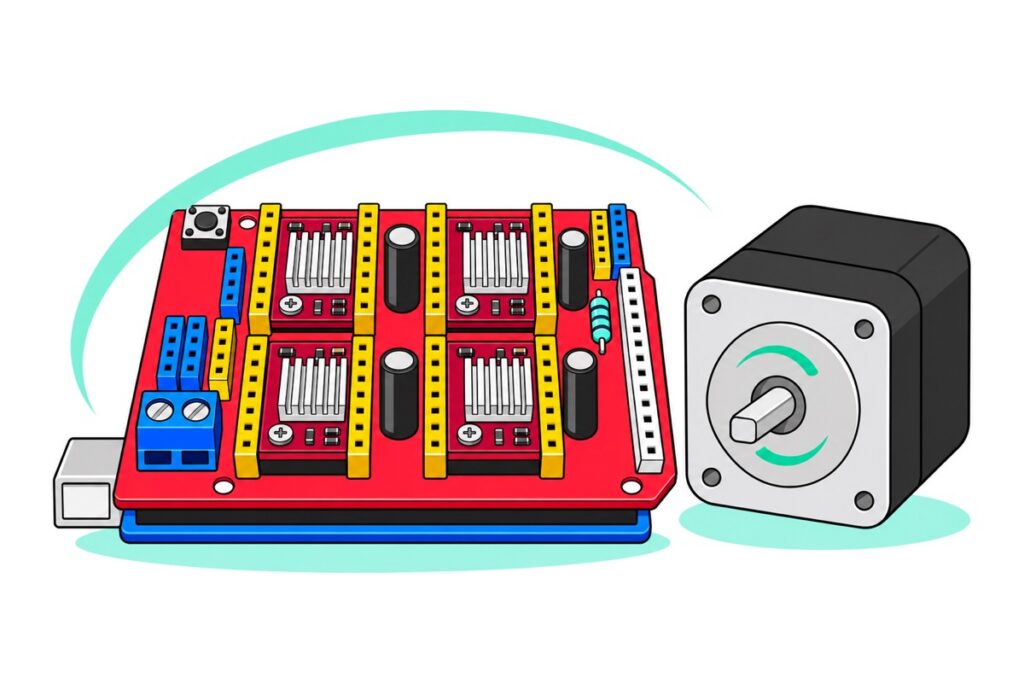
Stack the CNC Shield V3 on an Arduino Uno, seat the A4988 drivers the right way round, set the current limit with a multimeter, flash GRBL 1.1 and run a first stepper motor test — with the why behind every step.
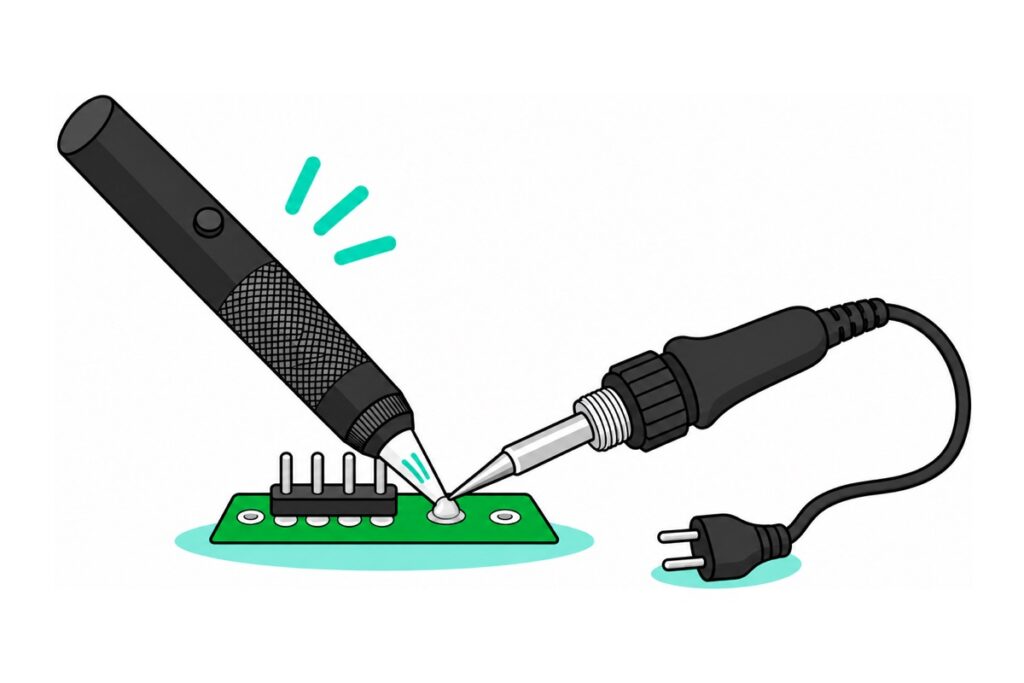
Add fresh solder and flux first, then remove it all in one go: a solder sucker for through-hole pins, desoldering wick for flat pads. Step by step, plus how to avoid lifting pads.
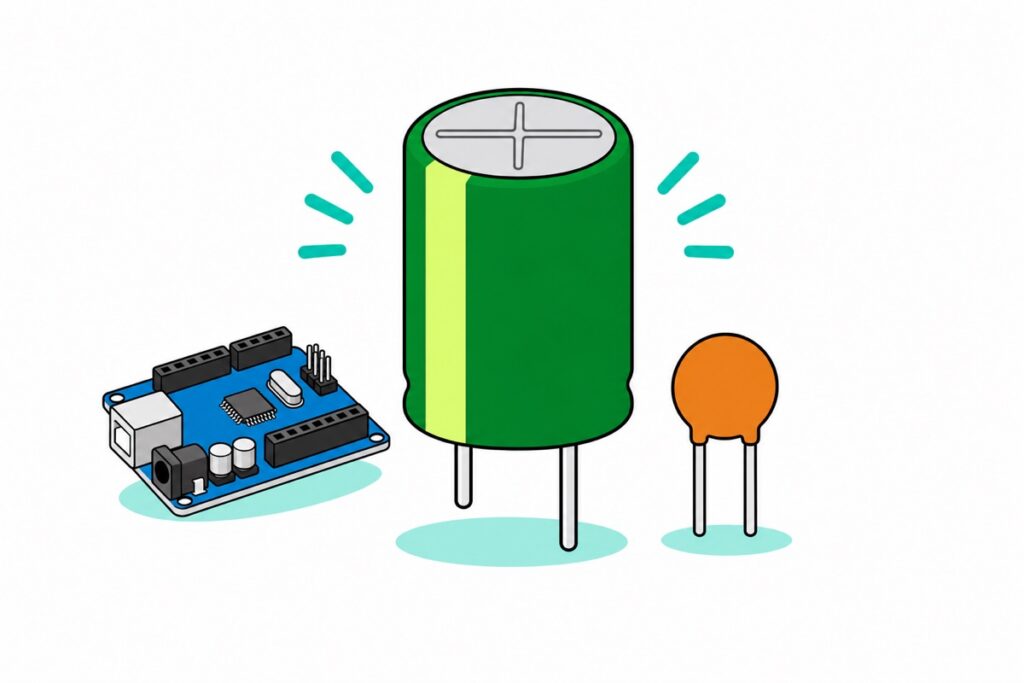
On an electrolytic capacitor, the long leg is positive and the stripe on the sleeve always marks the negative side; ceramic capacitors have no polarity. This guide explains what capacitors do in Arduino and ESP32 circuits (smoothing, decoupling, timing), how to read codes like 104 (100nF), why the voltage rating is a ceiling and not a target, and why an electrolytic bulges or pops when the voltage or polarity is wrong.
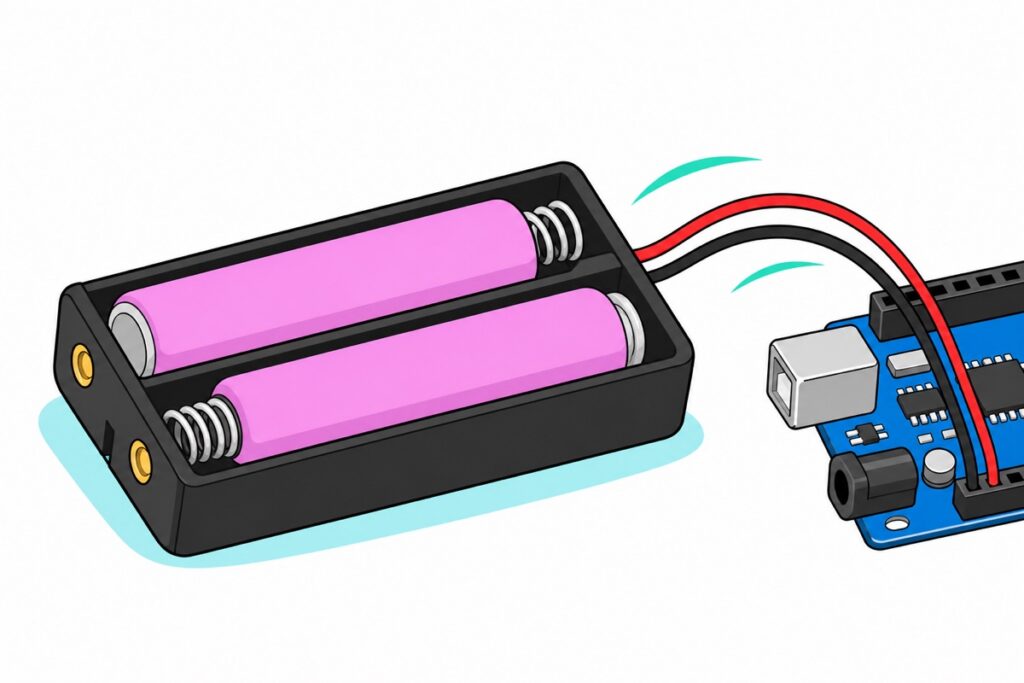
The best battery setup for an Arduino Uno or Nano is two 18650 cells in series into VIN. What the barrel jack, VIN and 5V pin each accept and why, the no-solder 7.4V build, and the honest verdict on 9V PP3, 4xAA and boost-shield power.
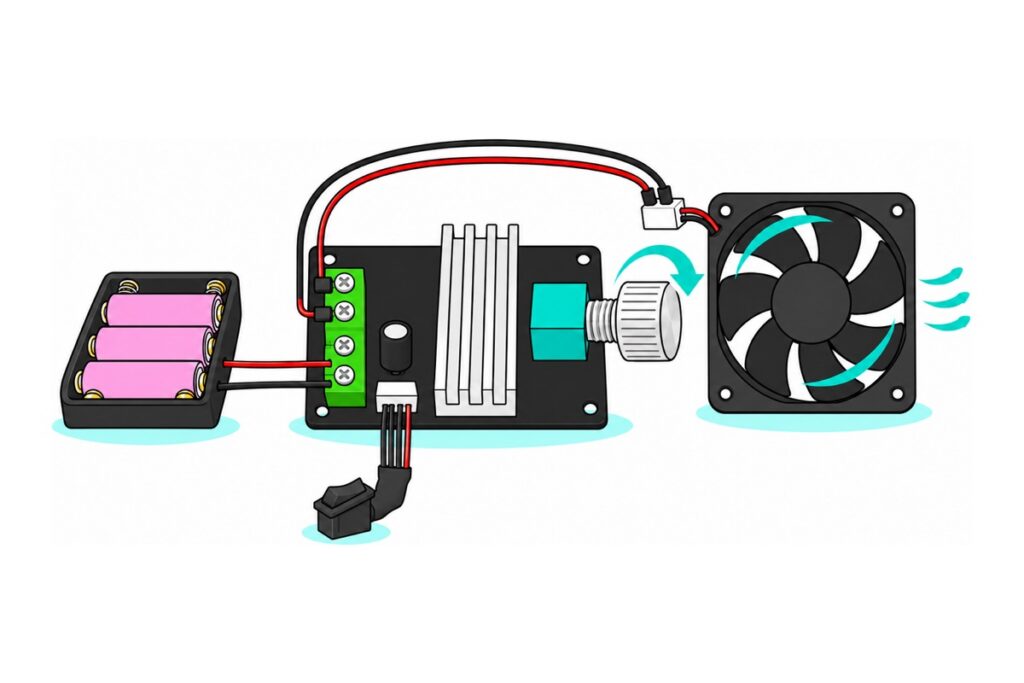
A knob-type PWM module controls DC motor speed with no Arduino and no code: supply into IN, motor onto the output pair, turn the knob. How chopping keeps torque at low speed, how to wire and size the 3A module, and when you need a driver board instead.
Log in to your MakerHub account