07
Aug
Aug
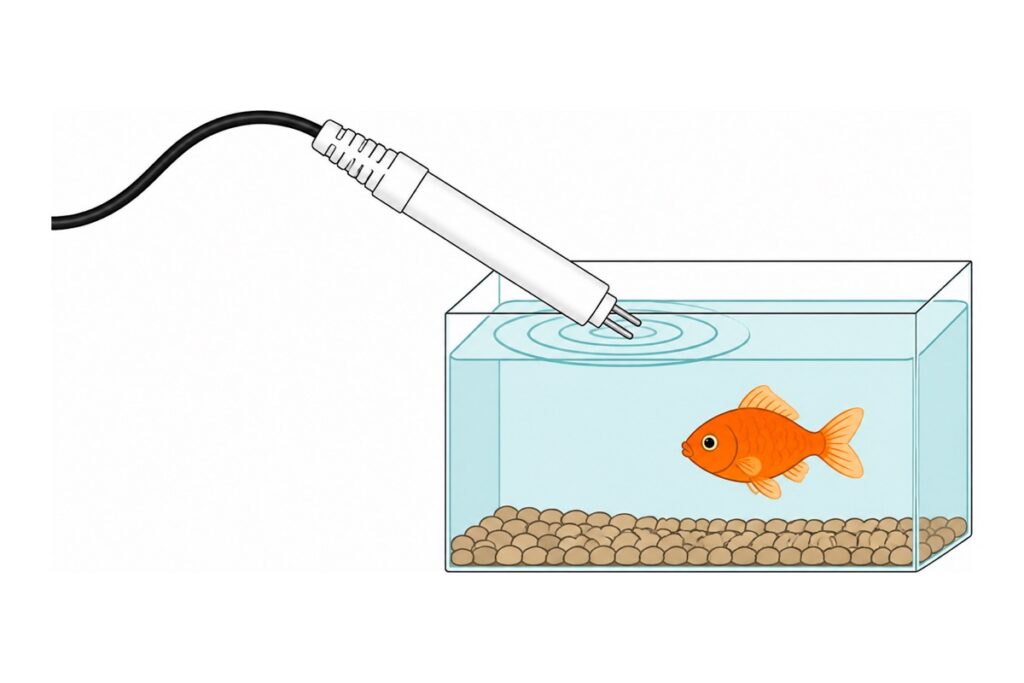
Wire a TDS probe to an Arduino Uno, show the ppm on an OLED, and compare tap, filter and aquarium water — including the one small solder job the board needs.


Wire a TDS probe to an Arduino Uno, show the ppm on an OLED, and compare tap, filter and aquarium water — including the one small solder job the board needs.
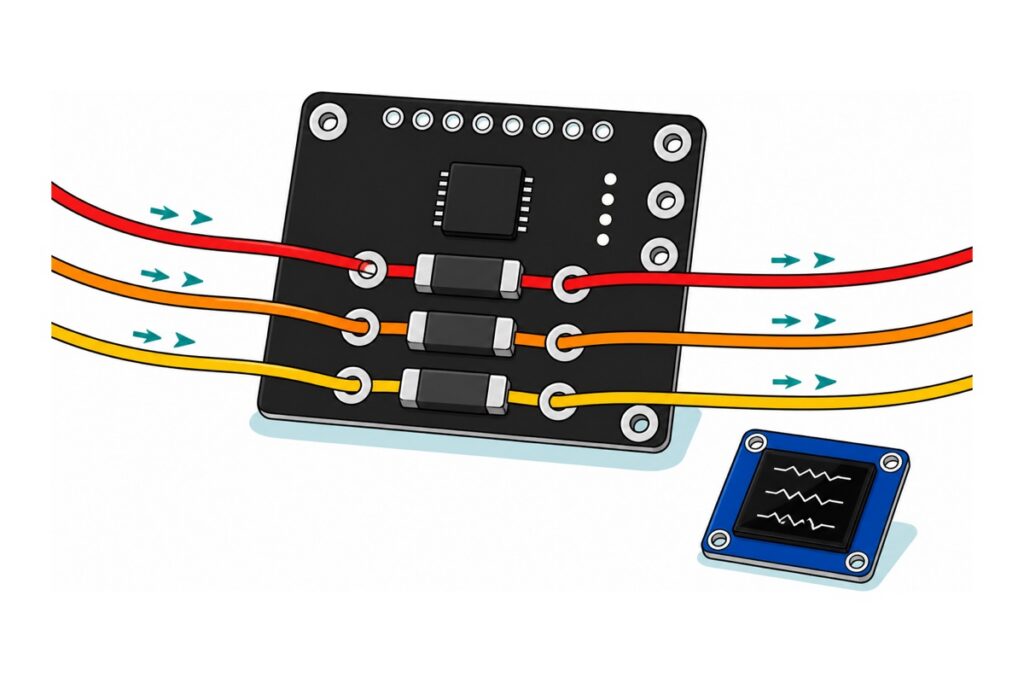
Route each rail through one of the INA3221’s three 0.1 Ω shunts and live voltage, current and power for all three lanes arrive over one I2C bus. This guide builds the full ESP32 + OLED monitor, from soldering to reading the numbers honestly.
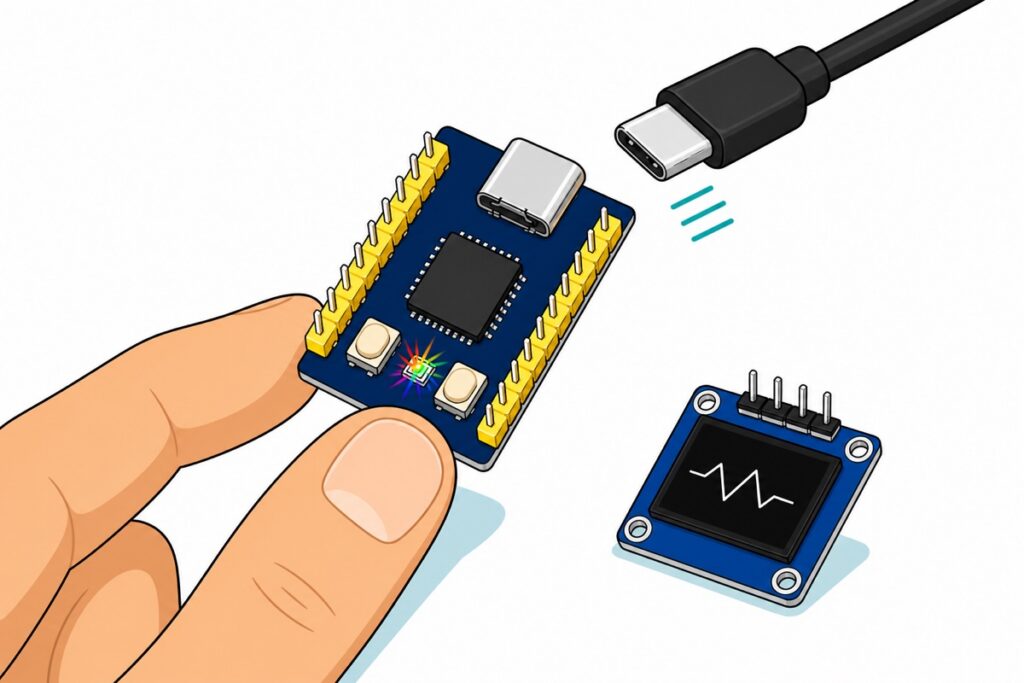
No driver, no COM port: install the Philhower RP2040 core, flash the RP2040-Zero over USB as a flash drive, then wire a 0.96-inch OLED with four jumpers for a live chip-temperature readout.
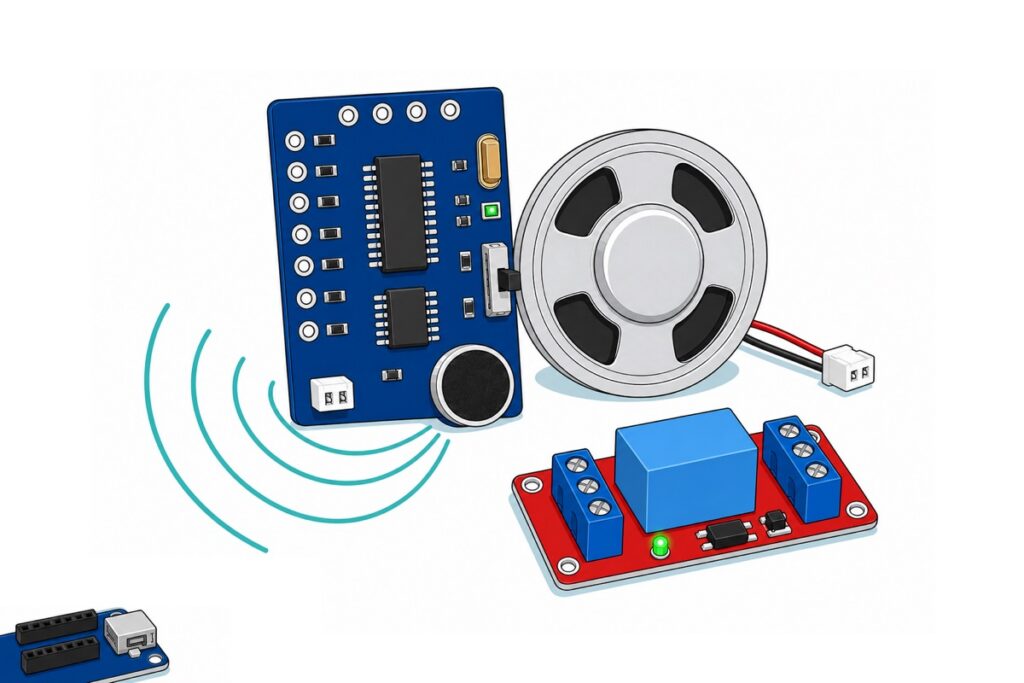
The ZK-VR01 gives you two ways out — a serial T pad and eight command pads. Start with a sketch that only watches, write down what your own board actually does, then latch a relay from it.
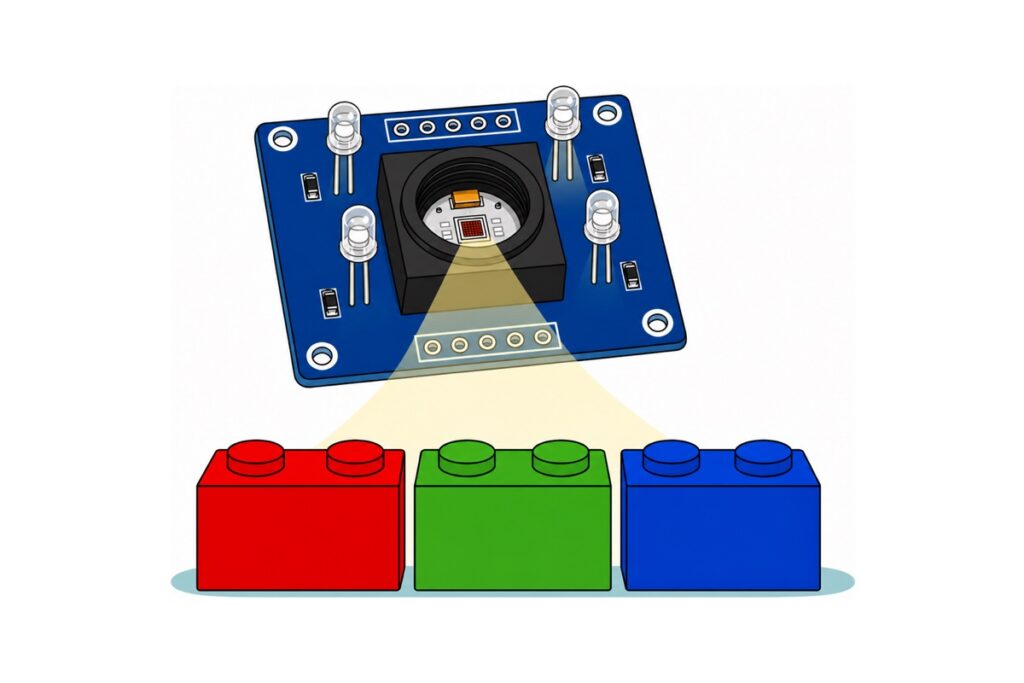
The TCS230 does not report a colour — it reports a frequency, one filter at a time, and your sketch turns three of those readings into a verdict. Wiring, the LED-pin damage trap, why a red object reads lowest, and the calibration that makes sorting repeatable.
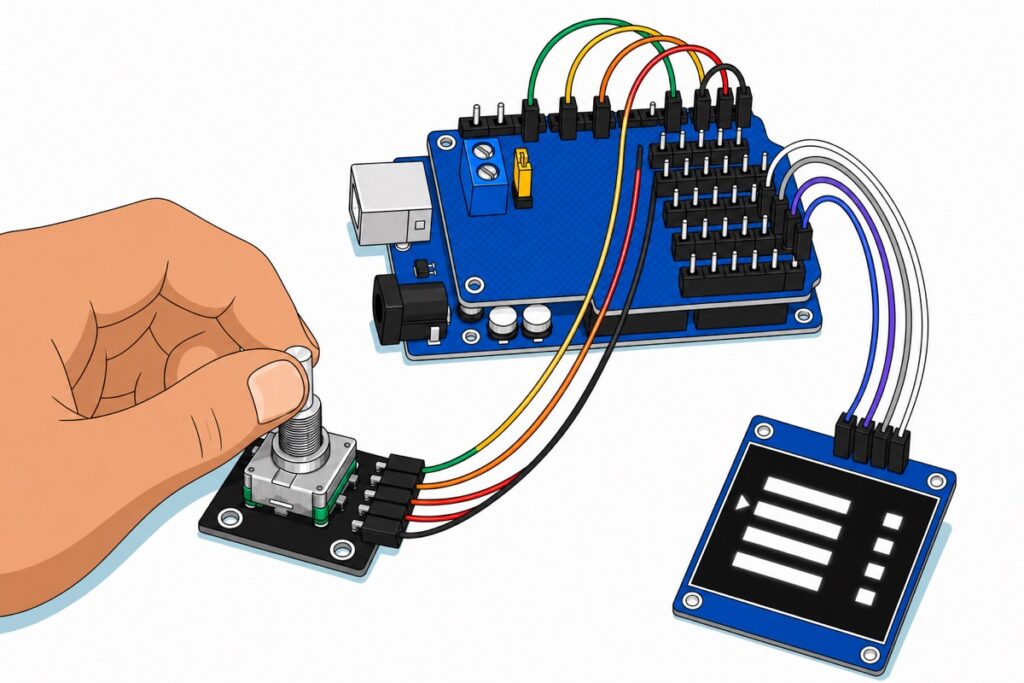
The KY-040’s CLK belongs on D2 because D2 is an interrupt pin. Count detents inside the ISR, call display() only when the count actually changed, and the menu stops skipping items while the screen redraws — plus why one click is four electrical transitions, not one.
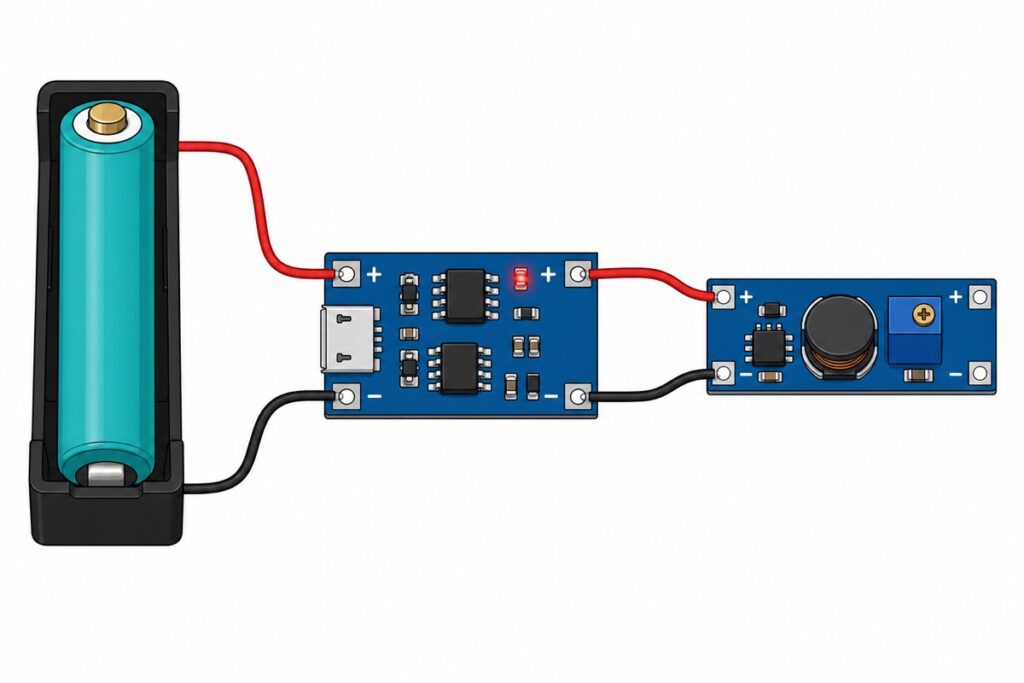
The one wiring mistake that silently disables your TP4056’s protection, plus charge-current resistors, LED meanings, the real 4.2V and 2.4V thresholds, and honest current maths for boosting a single 18650 to 5V.
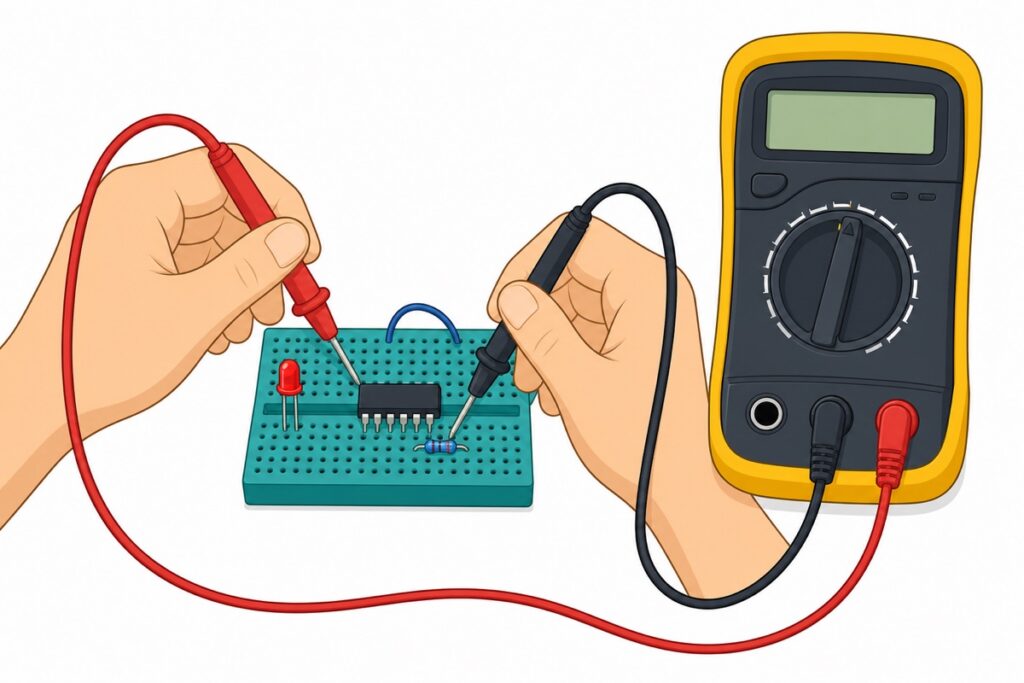
Just bought a cheap multimeter but the symbols on the dial mean nothing to you? There are only three modes you really need for Arduino work — DC voltage, continuity and Ohm. This guide has a dial symbol table, a range-picking table for every kind of measurement, and the reason the 10A jack can destroy your meter.
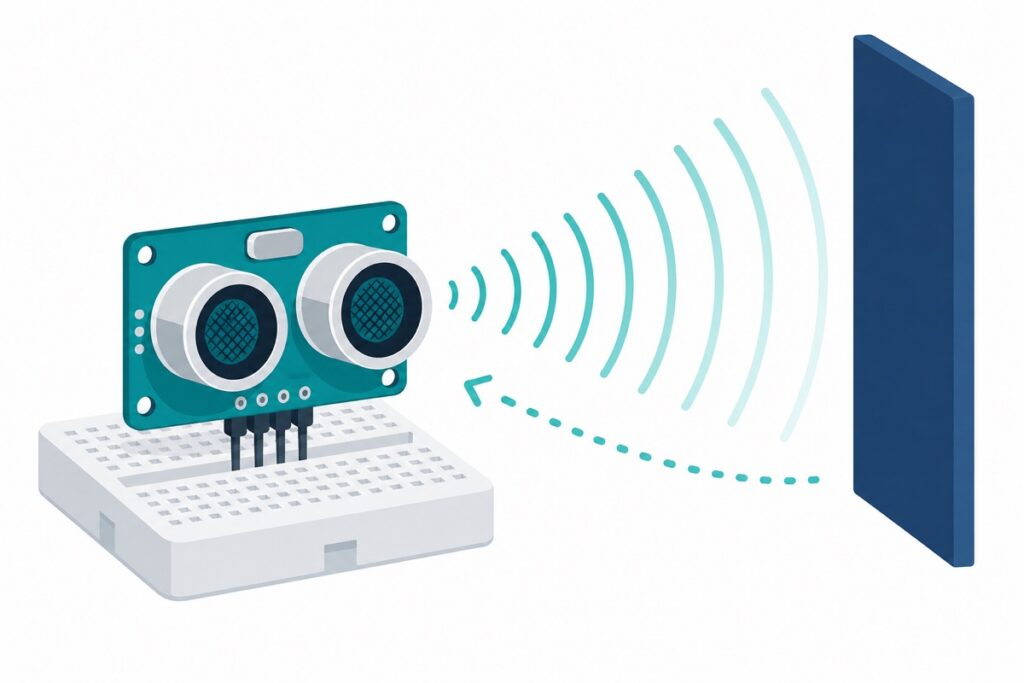
Everything you need to run an HC-SR04 ultrasonic sensor on an Arduino: the four-pin wiring table, a runnable pulseIn() sketch, and why the distance maths divides by 58 — plus the range, beam-angle and 3.3V limits that catch out real projects.

Three parts — an LM393 rain sensor, an Arduino UNO and an SG90 servo winch — and your model clothesline pulls the laundry in the moment rain is detected.
Log in to your MakerHub account