11
Nov
Nov
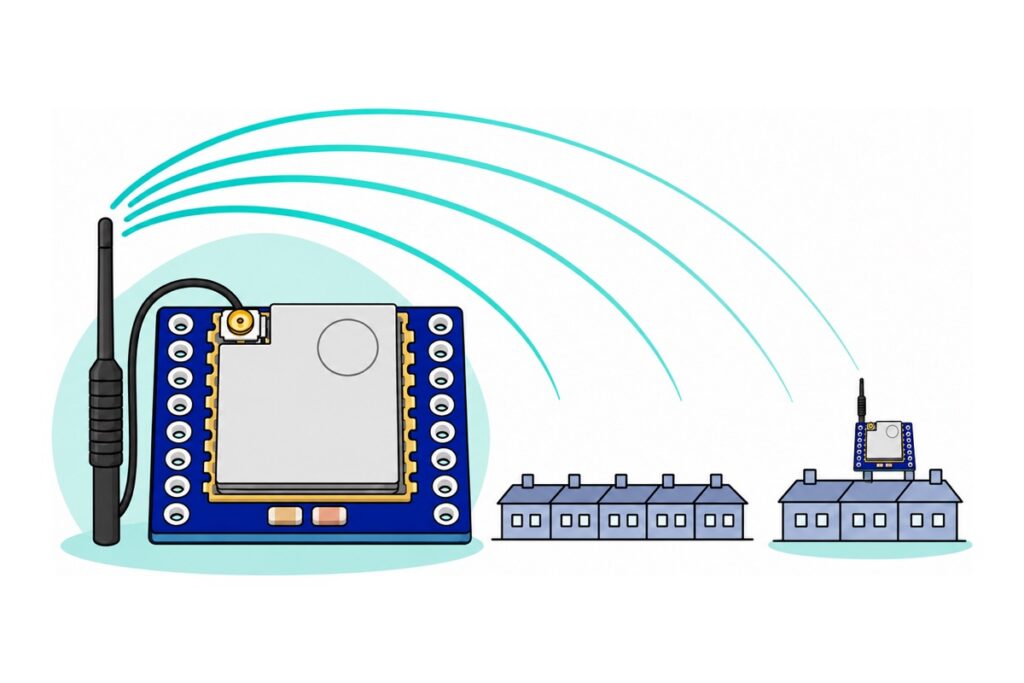
Wire the 3.3V-only SX1278 Ra-02 safely to a 5V Uno with resistor dividers, fit the antenna before power, and send a first LoRa message to an ESP32 — with honest RSSI/SNR readings and a range test under Malaysia’s MCMC rules.


Wire the 3.3V-only SX1278 Ra-02 safely to a 5V Uno with resistor dividers, fit the antenna before power, and send a first LoRa message to an ESP32 — with honest RSSI/SNR readings and a range test under Malaysia’s MCMC rules.
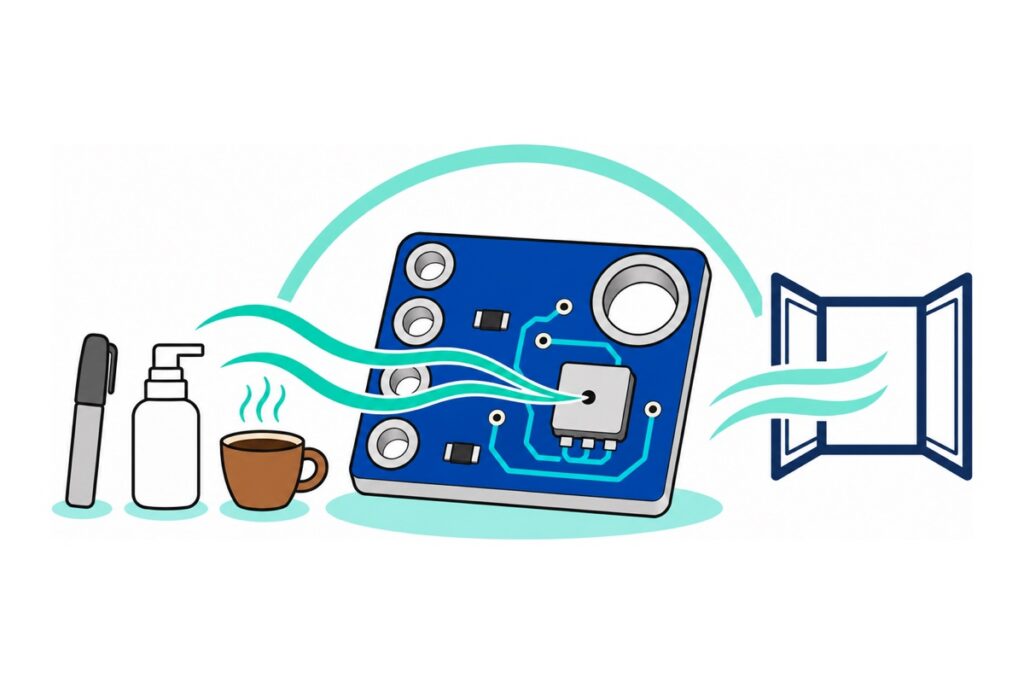
Wire the GY-SGP30 to an Arduino Uno or ESP32 with four I2C jumpers and read TVOC and eCO2 in minutes — then learn what the numbers really mean: why the first 15 seconds are pinned at 400 ppm and 0 ppb, why the first 12 hours are baseline formation, how to save and restore the baseline, and why eCO2 is an inference, not measured CO2.
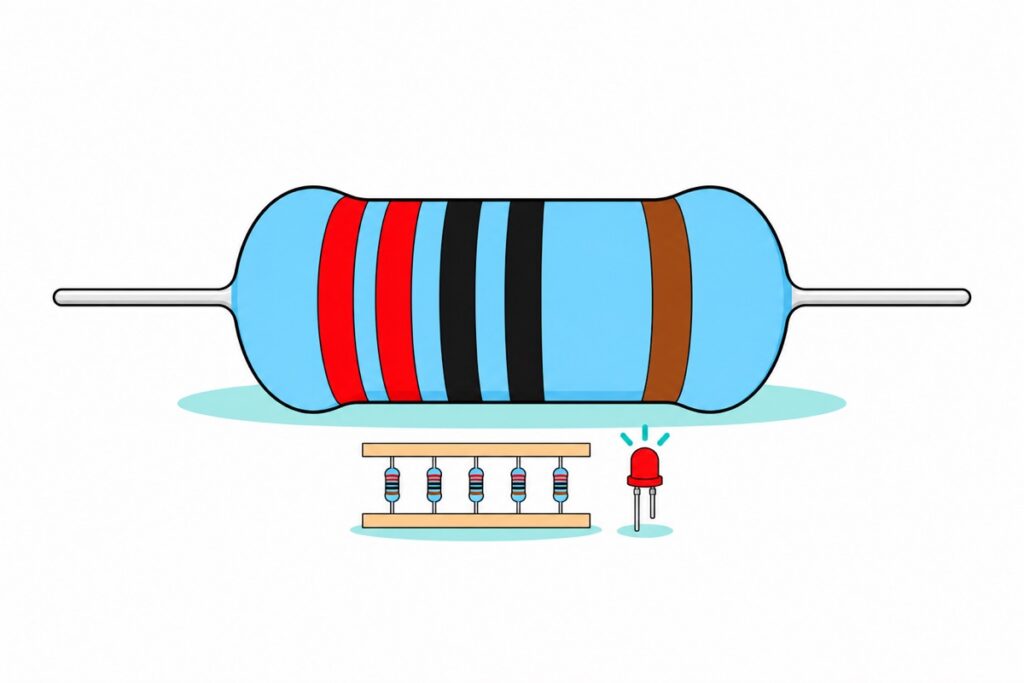
A resistor sets how much current flows. Learn to read the 4-band and 5-band colour code on the blue metal-film resistors in your bag, confirm values with a multimeter, calculate the series resistor any LED needs from its supply voltage, combine values in series and parallel, and understand why an overloaded resistor smokes.
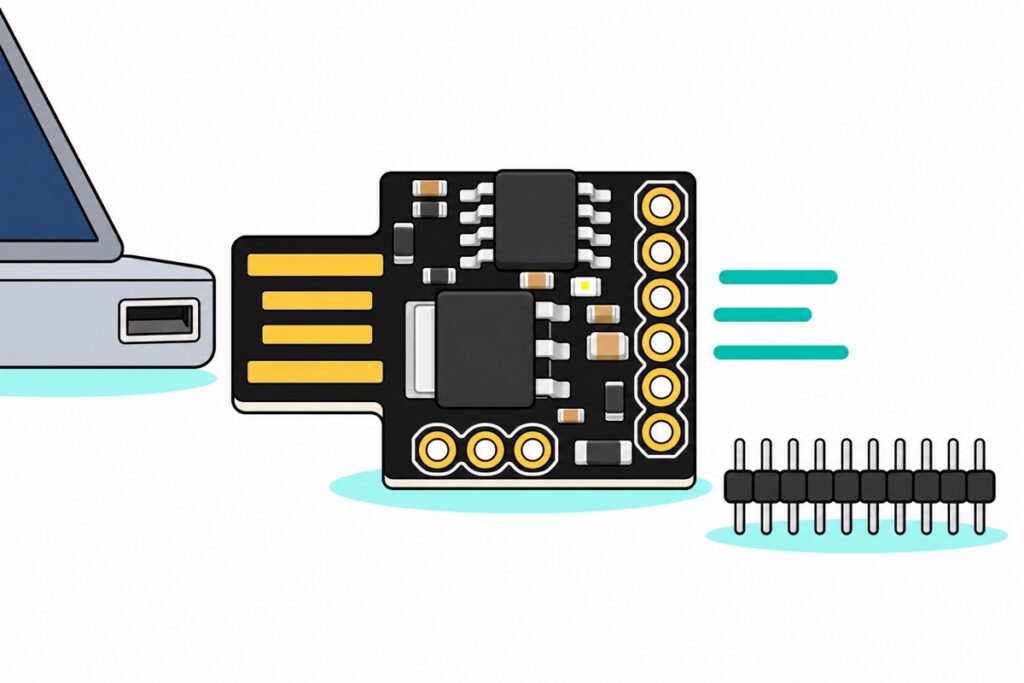
The Digispark ATtiny85 uploads without a COM port — you plug in only when prompted. Set it up with the 2026 board URL, blink P1, and build a one-key USB macro button a Nano can’t.
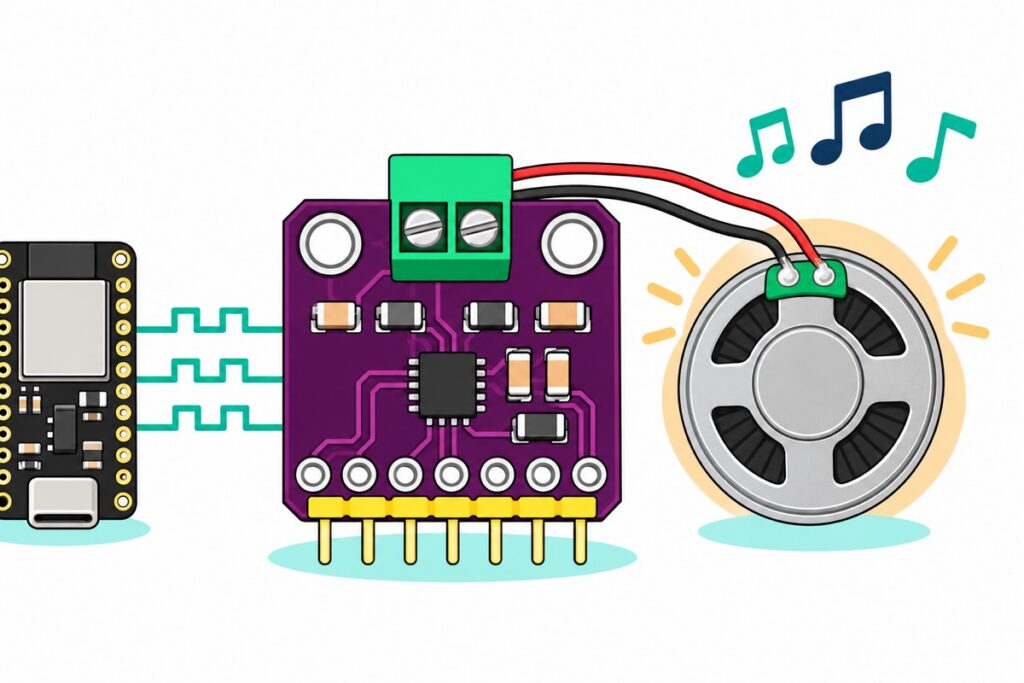
Wire the MAX98357A 3W I2S amplifier to an ESP32 with five jumpers, understand what the GAIN and SD straps really do, pair the right speaker, and get a clean first tone — then a WAV file — without the usual silence and hiss mistakes.
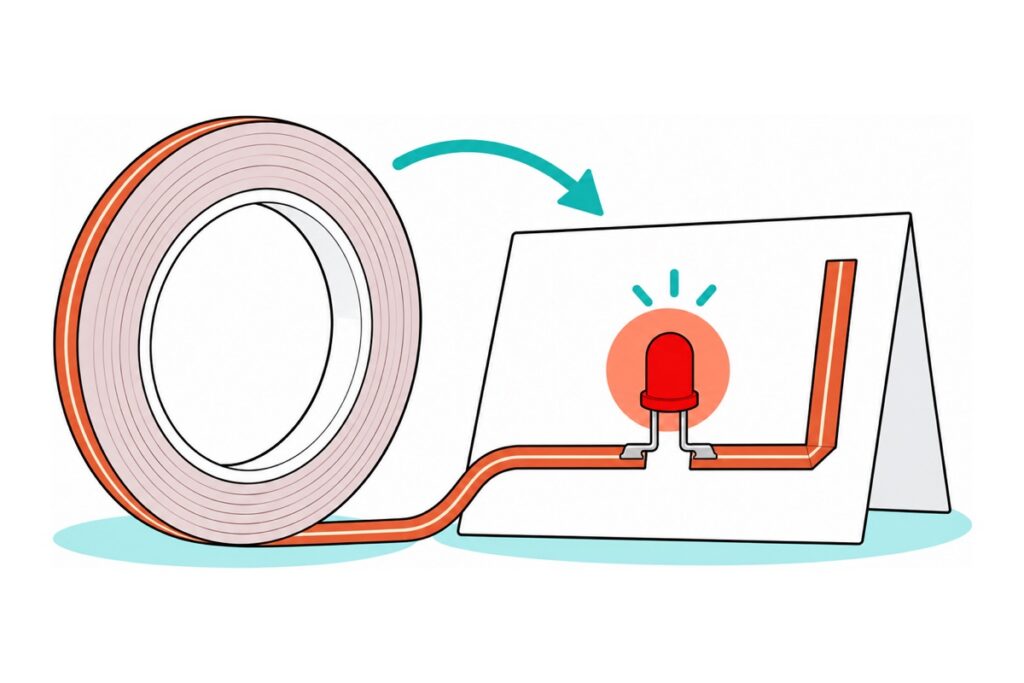
What 5mm conductive copper tape is actually for — LED greeting cards, capacitive touch pads, guitar shielding and trace repair — and how to lay tape so the joints last.
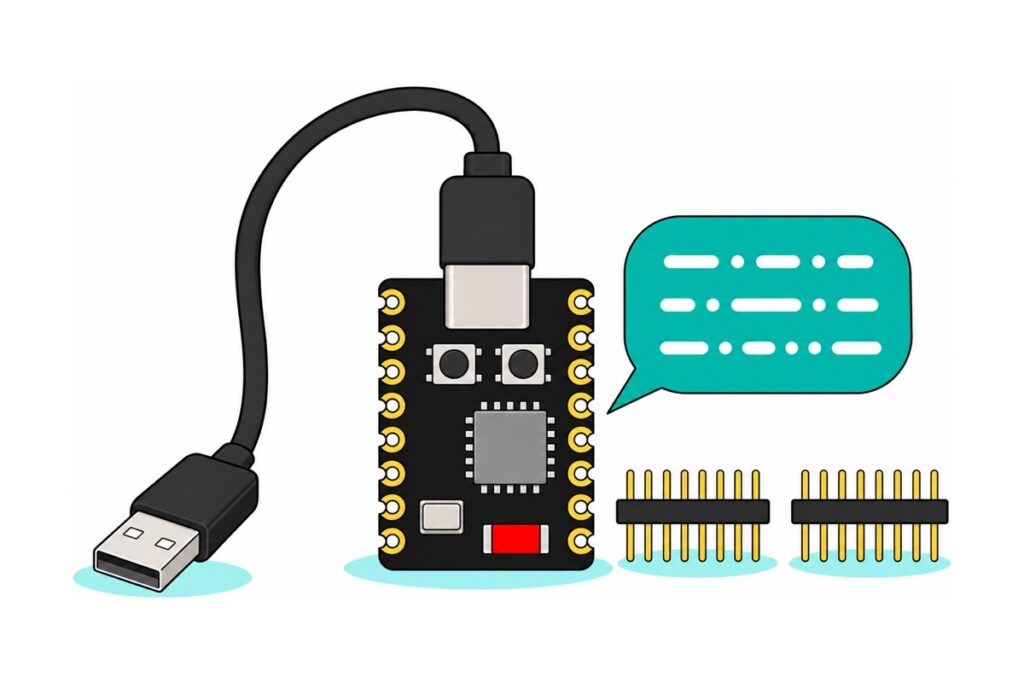
Get the thumb-sized ESP32-C3 Super Mini uploading and printing in Arduino IDE: the right board entry, the USB CDC On Boot setting behind a blank Serial Monitor, the BOOT+RST rescue for a vanished port, and which of its 13 GPIOs are safe to use.
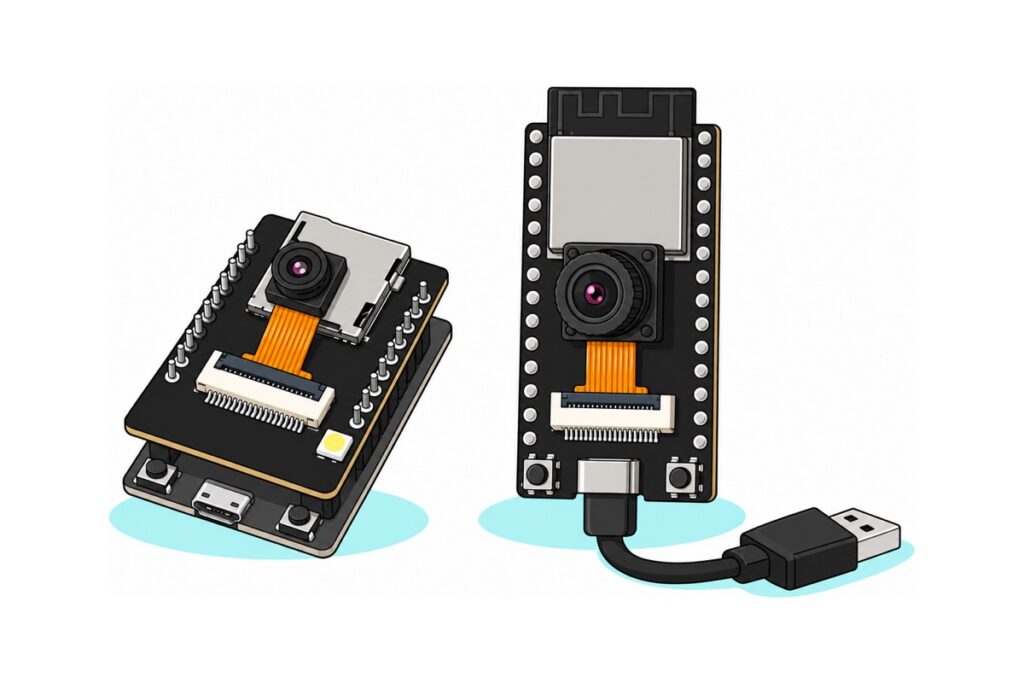
For a first camera project, buy the ESP32-S3 WROOM CAM. It uploads over one USB-C cable, and its larger, faster memory handles higher frame rates and on-board processing. The classic AI-Thinker ESP32-CAM with an OV2640 suits a lower-cost build, as long as it comes with a programmer shield.
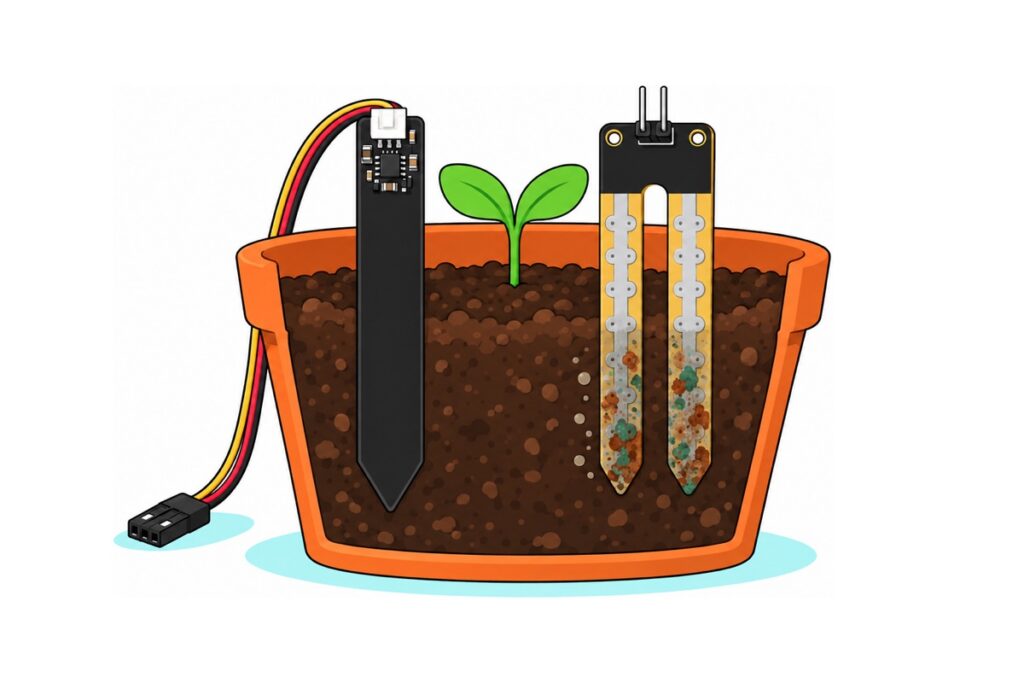
The two-prong resistive fork passes DC through the soil, corrodes, and ends up reporting dry soil in wet ground. The capacitive v1.2 senses through a coating and lasts. This guide covers how each one works, wiring on an Uno or ESP32, two-point calibration, and the one job a resistive fork still does well.
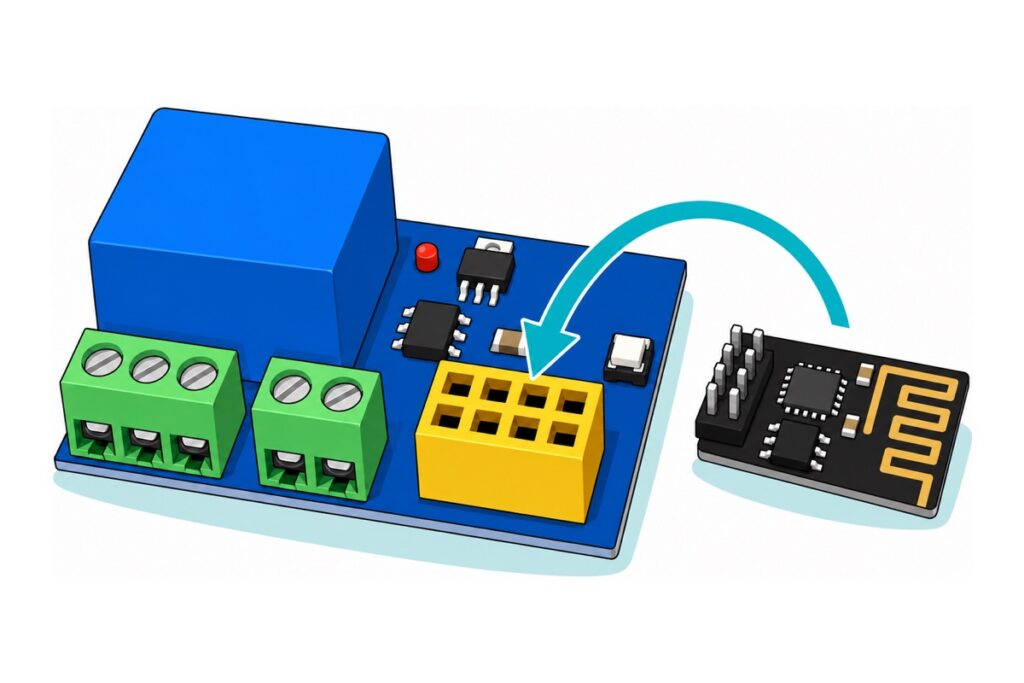
The ESP-01S relay board is a carrier: it ships without the module and switches nothing until that module is flashed. What is on the board, how flash mode works, how to wire 5 V and a load, and where an ESP32 takes over.
Log in to your MakerHub account