


✅ Ready Stock in KL(Sungai Besi)
🔥 Ship within 24 hours from KL on working hours | Monday to Saturday, ( 10:00 AM to 6:00 PM ), Closed on Sunday
🚚 Same Day Delivery Available For Klang Valley Customers.
☎️ Message us via Shopee Chat or Whatsapp +6011 – 6822 6855 to arrange same day delivery or for product enquiry
This is a 12V solenoid lock — a small electric cabinet and drawer latch, also used on project enclosures, prop doors and escape-room builds. The metal bolt sits out when there is no power, and pulls back when you feed the coil 12V DC.
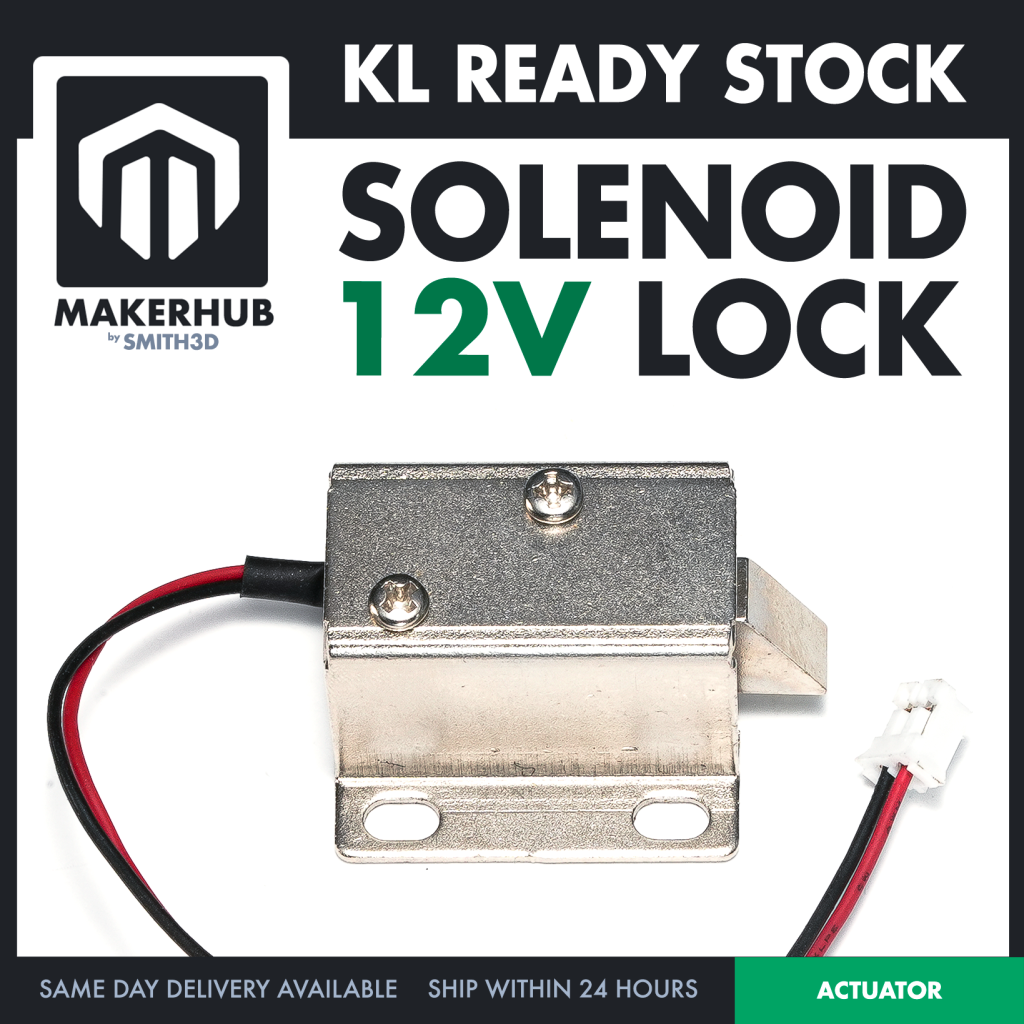
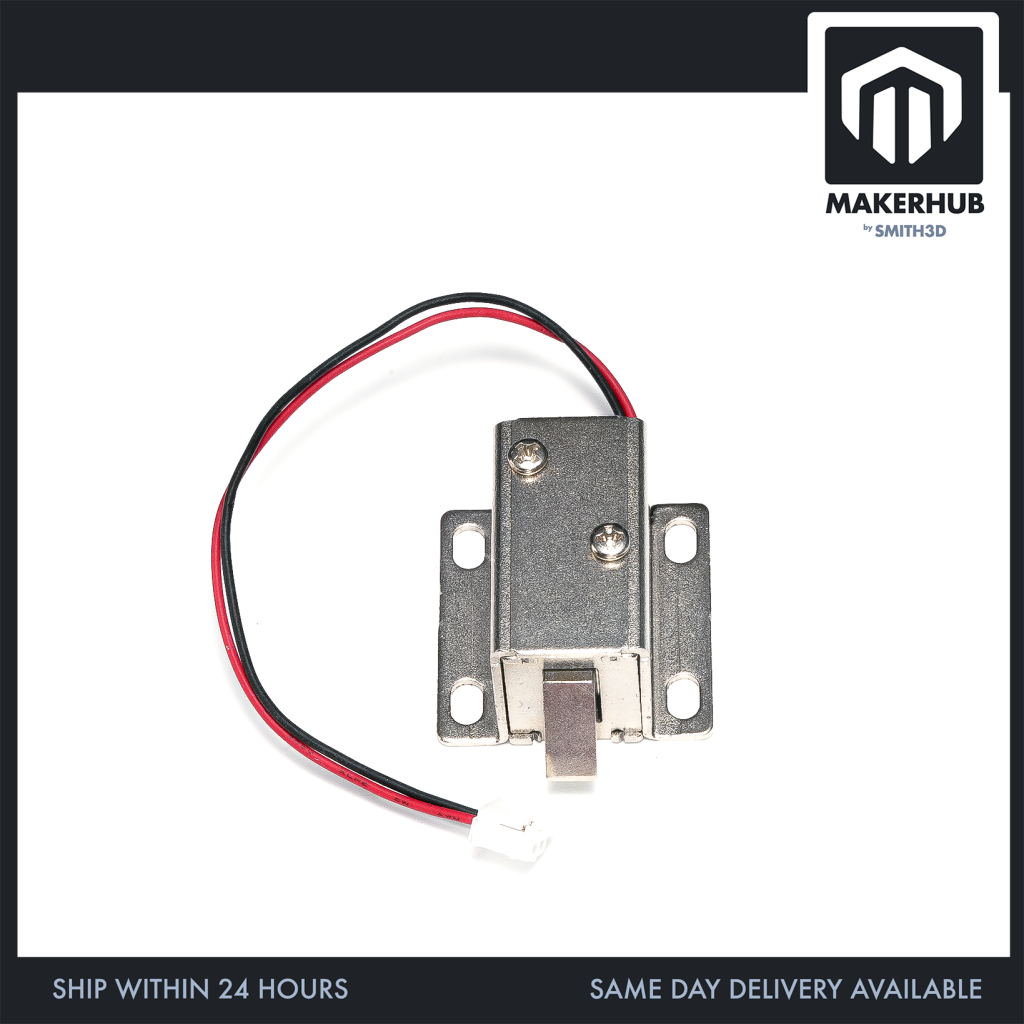
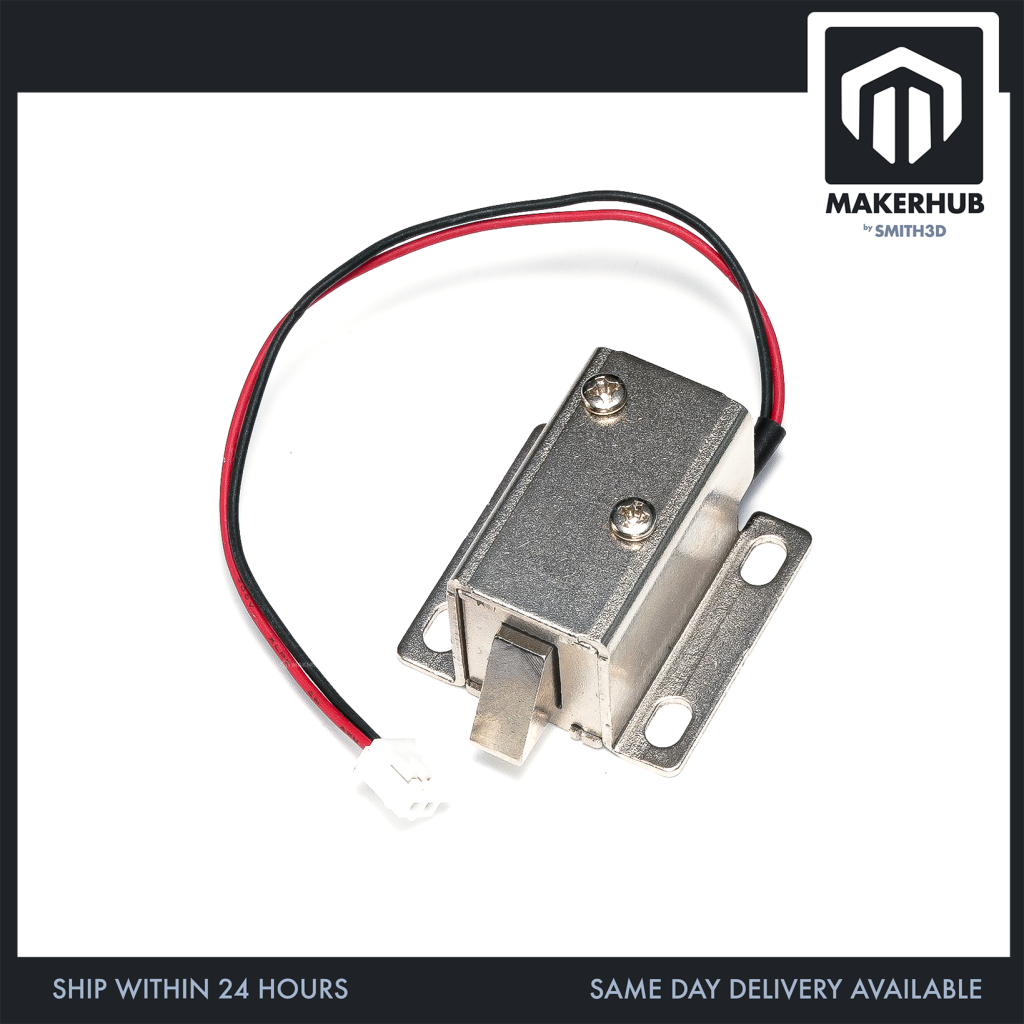
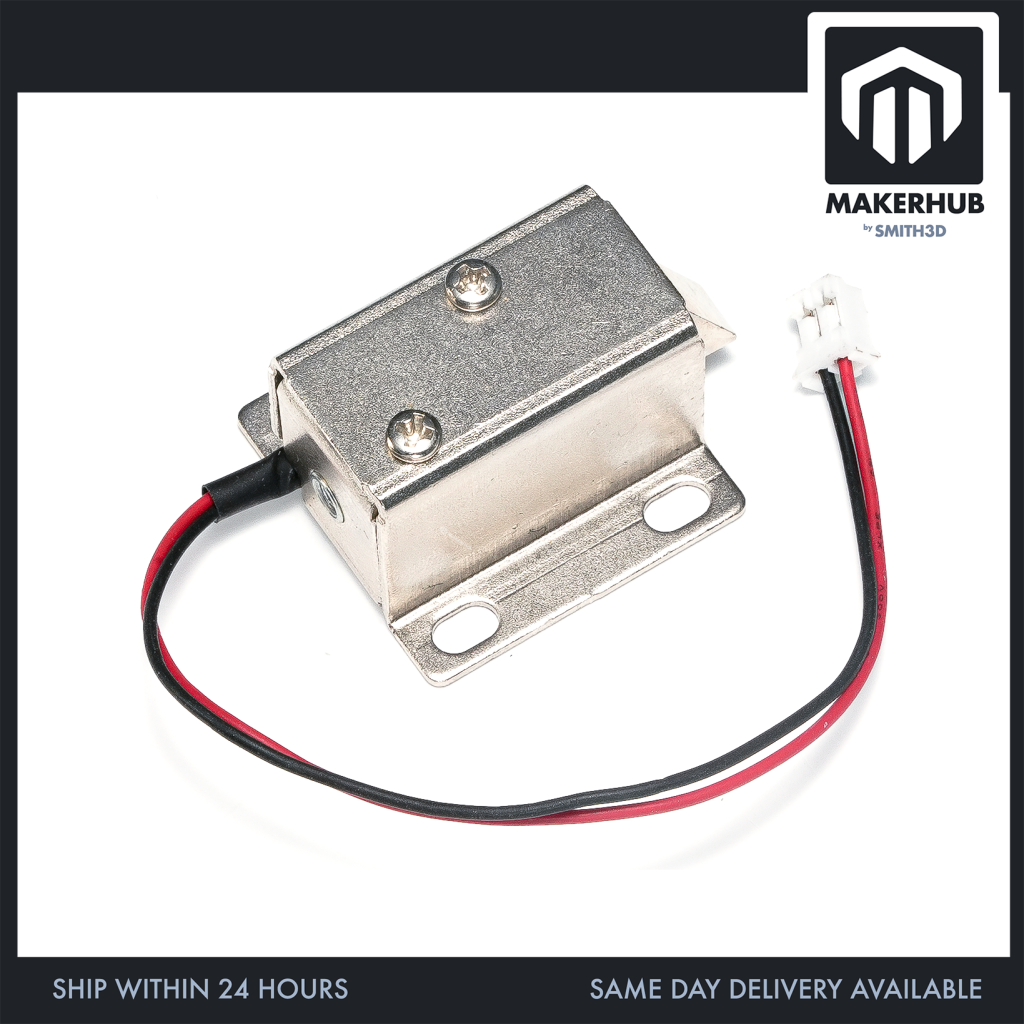
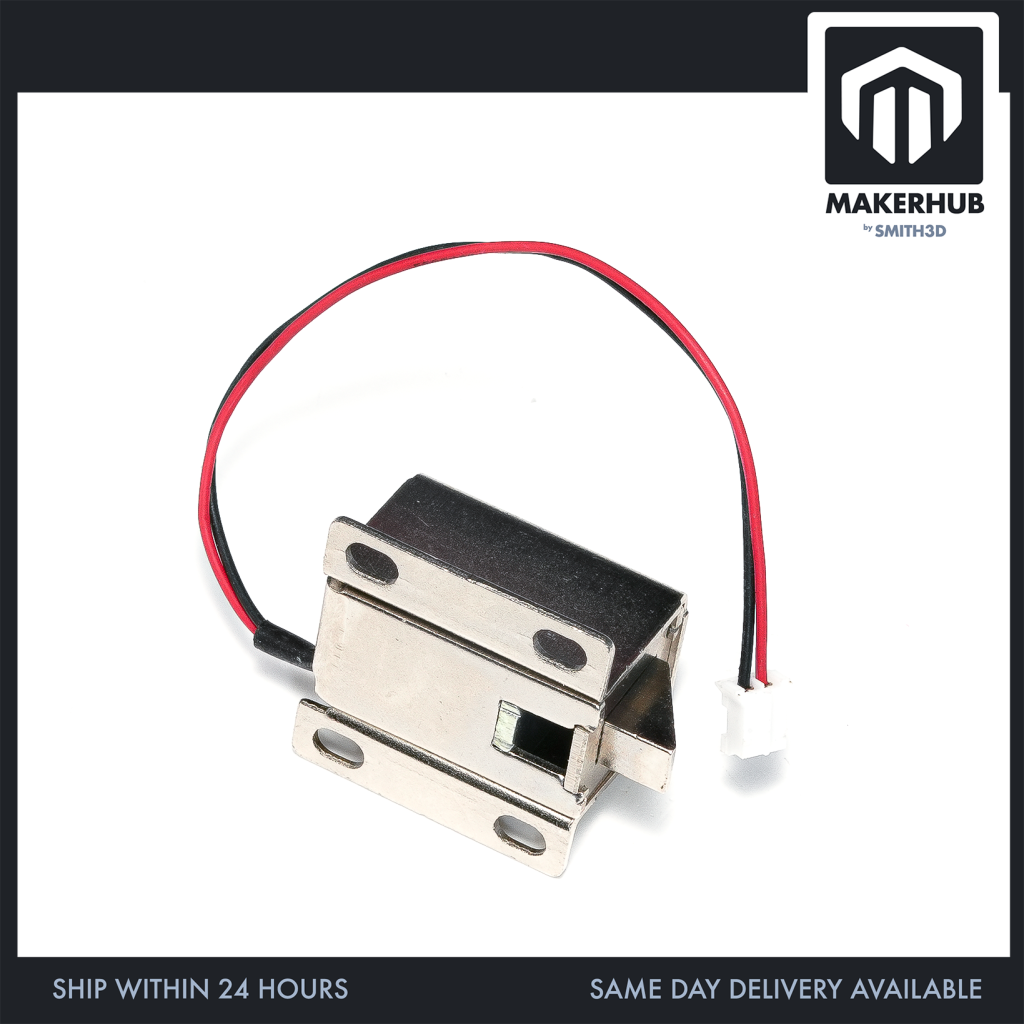
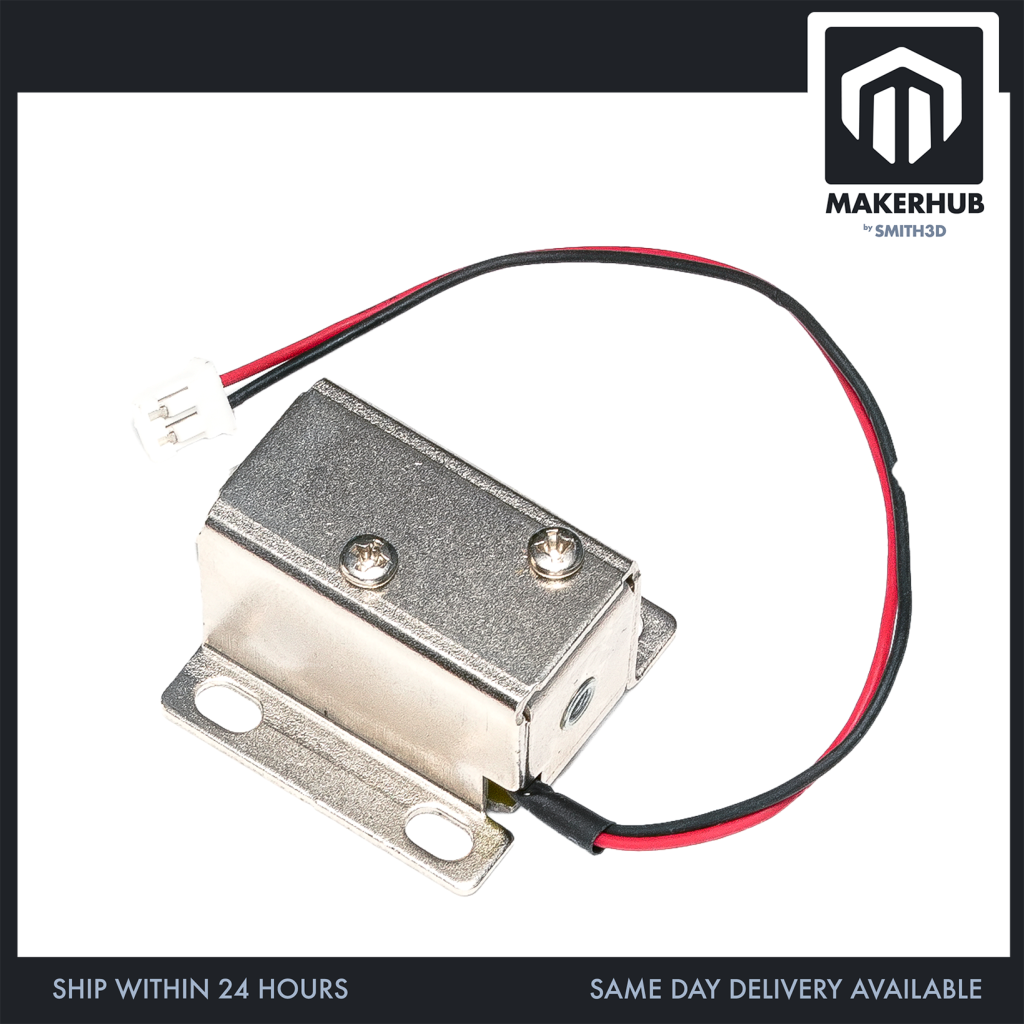
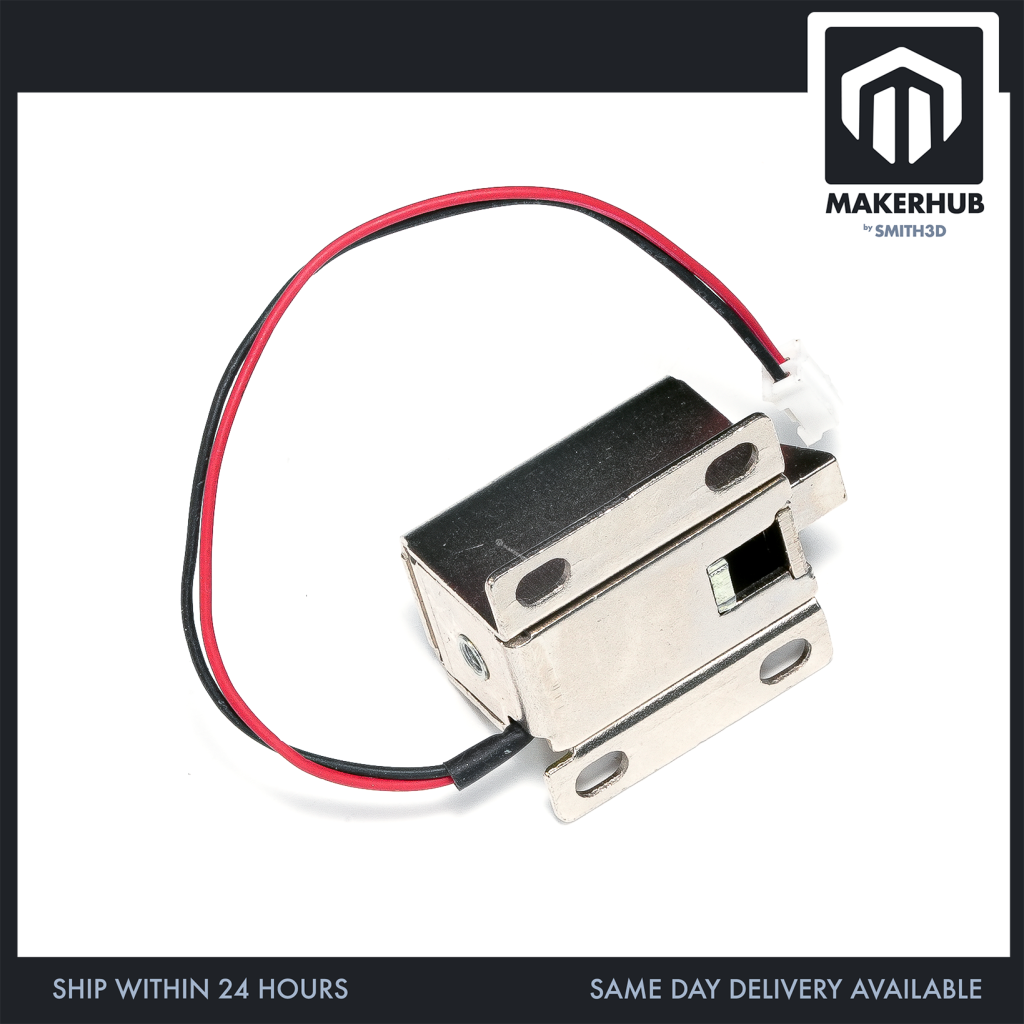
One version only. There is nothing to choose on this page, and the photo above is that unit — every physical detail described below is read off it.
⭐ Specification
– Operating voltage: 12V DC (nominal).
– Operation mode: fail-secure, normally locked. The bolt sits extended with nothing connected — that is exactly what you are looking at in our photo, an unpowered and unplugged unit with the bolt out. Power is what opens it, so a power cut leaves your cabinet locked, not open.
– Bolt: a rectangular metal bolt exiting the right-hand end of the case, with a pronounced 45-degree bevel on its leading face.
– Body: bright plated, pressed-metal case. Two cross-head (Phillips) pan-head screws sit on the front face of the case. You mount the lock through the foot, not through those two screws.
– Mounting: a folded metal foot carrying exactly 2 elongated (obround) slots — not round holes. Because they are slots rather than plain holes, you get a little travel to position the lock before you tighten the screws down. Choose screw diameter and length to suit your material and its thickness.
– Drive: this is a 12V coil, not a logic-level part. A microcontroller output pin swings 3.3V or 5V, so an Arduino, ESP32 or Raspberry Pi pin does not drive it directly — put something between the pin and the lock that can switch 12V.
– Coil protection when you switch it: a solenoid coil wants a flyback diode across it. If your driver does not already provide one, fit one yourself, the way you would with any solenoid.
🔌 Connector & What Ships
– It ships pre-wired. A 2-conductor flying lead — one red, one black — leaves the left end of the case through a black heat-shrink strain-relief sleeve. There is nothing for you to solder at the lock end.
– Termination: the lead ends in a single white nylon crimp housing with exactly 2 positions. So it is not screw terminals, not bare solder pads, not bare tinned wire ends, and not soldered to a PCB.
– If that housing does not suit your wiring: treat the lead as what it is — a plain 2-core red/black pigtail. Cut the housing off, strip the two wires, and land them in a terminal block, a relay output, or a screw-terminal MOSFET module. Nothing about the lock depends on keeping the plug.
⚒️ Interesting Project
Build a secret compartment box.
Create an automated pet feeder lock.
Design an electronic door latch for a project enclosure.
📦 Package Includes:
– 1x 12V solenoid lock — plated pressed-metal case with the folded mounting foot (two elongated slots).
– Its attached 2-core red/black lead, with the black heat-shrink strain relief and the white 2-position crimp housing already fitted. The lead is part of the lock, not a separate item.
🧰 What You Also Need
– A 12V DC power supply. Not included.
– A way to switch that 12V — a relay module, a MOSFET module, or your own transistor driver, whichever suits the rest of your build. Not included. Give it headroom: pick a part rated well above the minimum you think you need, rather than the smallest one that looks like it will do.
– Mounting screws to suit your cabinet, your door or your enclosure. Not included — pick the diameter and length that suits your material.
– Somewhere for the bolt to land, on your side of the build — a strike plate, a keeper, a catch, a slot in the door frame, or a hole in your 3D-printed enclosure, lined up with the bolt. No strike plate or keeper is included. The bolt has to land somewhere or nothing is held shut.
❓ FAQ
Can I connect it straight to an Arduino or ESP32 pin?
No. It is a 12V coil, and a microcontroller pin only swings 3.3V or 5V. Put a relay module, a MOSFET module, or a transistor driver in between, and power the lock from your 12V supply rather than from the board’s regulator.
Is it locked or unlocked when there is no power?
Locked. This is fail-secure — the bolt is extended at rest, and our photo shows exactly that on an unpowered, unconnected unit. You apply 12V to pull the bolt in and release the door; cut the power and it returns to locked, so a blackout does not leave your cabinet open. If you need the opposite behaviour (unlocks on power loss, e.g. a fire exit), this is not that part.
What connector is on the wire?
A white 2-position crimp housing on a red/black lead. If it does not match what you already have, cut it off and terminate the two wires the way your circuit needs — it is a plain 2-core pigtail underneath.
How long do I keep it energised?
Use it the way a latch is used: apply 12V to pull the bolt in, open the door, then drop the power and let it lock again. Momentary release is the normal way to drive a solenoid latch.
Can I run it at 5V, or off a 9V battery?
This is a 12V DC part. Run it from a proper 12V DC supply.
🏬 | Our Shop Lot |
No 12 (Ground Floor – 3D Printer & Parts) & (First Floor – Robotic Parts & Tools)
Jalan Tasik Utama 7,
Medan Niaga Tasik Damai,
Sungai Besi, 57000 Kuala Lumpur
| Weight | 0.01 kg |
|---|---|
| Dimensions | 5.00 × 5.00 × 1.00 cm |
Only logged in customers who have purchased this product may leave a review.
Related products

AHT21 Temperature and Humidity Sensor
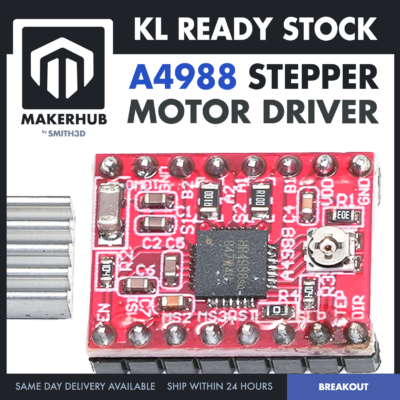
A4988 Stepper Motor Driver
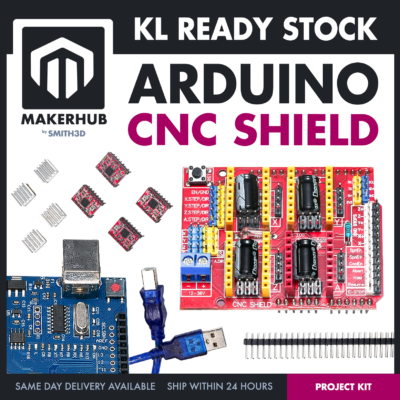
Arduino CNC Motor Driver Shield
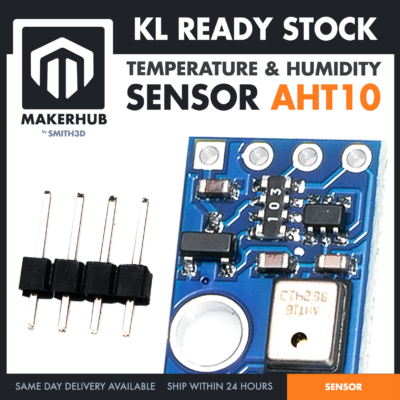
AHT10 Temperature and Humidity Sensor

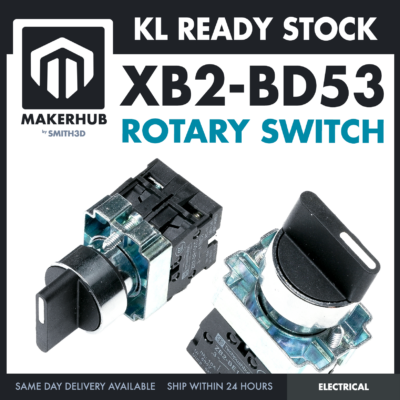
XB2-BD53 SWITCH
N20 Gear Motor with Encoder
Reviews
There are no reviews yet.